
Tehran/Washington
A potentially historic US-Iran peace deal appears to be within reach, but it’s still not clear exactly when the final document will be signed. US President Donald Trump has claimed that the proposed US-Iran peace deal is scheduled to be signed on Sunday, raising hopes that months of military tensions and diplomatic uncertainty could soon come to an end. According to BBC reports, Trump also said that the Strait of Hormuz would reopen to international shipping right after the agreement is finalized.
However, Iran is being much more careful regarding the US-Iran peace deal. According to Iran’s Fars News Agency, Tehran hasn’t made a final decision yet about the proposed memorandum of understanding and is still reviewing the agreement at multiple levels. Iranian officials are reportedly looking at the political, legal, technical, and security sides of the US-Iran peace deal before giving final approval. This careful review shows that Tehran wants to make sure any agreement fully protects the country’s interests and long-term goals.
Pakistan Optimistic About Breakthrough
Pakistan, which has helped get the two sides talking, is feeling hopeful about the ongoing negotiations.
Prime Minister Shehbaz Sharif said the parties are closer to a peace agreement than ever before and suggested it could be finalized in the coming days. His statement has led to speculation that a breakthrough may be close, though Tehran hasn’t confirmed any official signing date yet.
Strait of Hormuz at the Centre of Global Attention
One of the biggest parts of the proposed agreement is the expected reopening of the Strait of Hormuz, a key shipping route through which a large share of the world’s oil and liquefied natural gas supplies pass.
Energy analysts believe that if tensions ease around the waterway, it could calm concerns in global energy markets and help improve regional stability. International media has highlighted how important this route is economically, especially after months of disruptions linked to the conflict.
Regional Tensions Continue
Even with progress in talks, the broader security situation in the Middle East remains fragile.
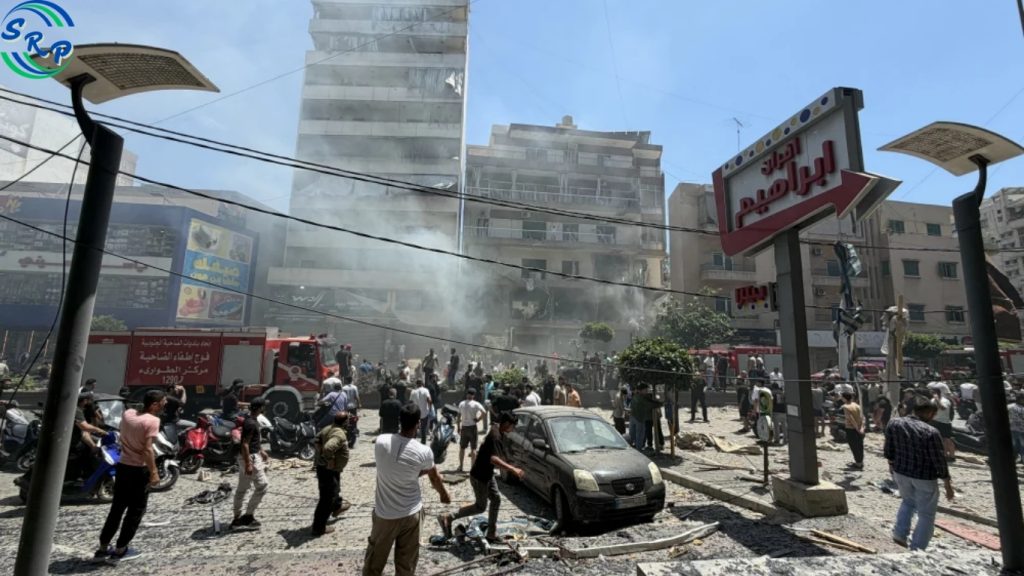
Reports say Israel carried out fresh airstrikes in Beirut’s southern suburbs on Sunday following exchanges involving Hezbollah. The ongoing violence shows just how hard it is for diplomats trying to secure a wider regional de-escalation.
Iranian Foreign Minister Seyed Abbas Araghchi recently said a deal with Washington was close, while also suggesting that future discussions could eventually include Iran’s nuclear program and broader regional security issues.
Tehran Urges Patience
While Washington sounds confident, Iranian officials are still asking for patience.
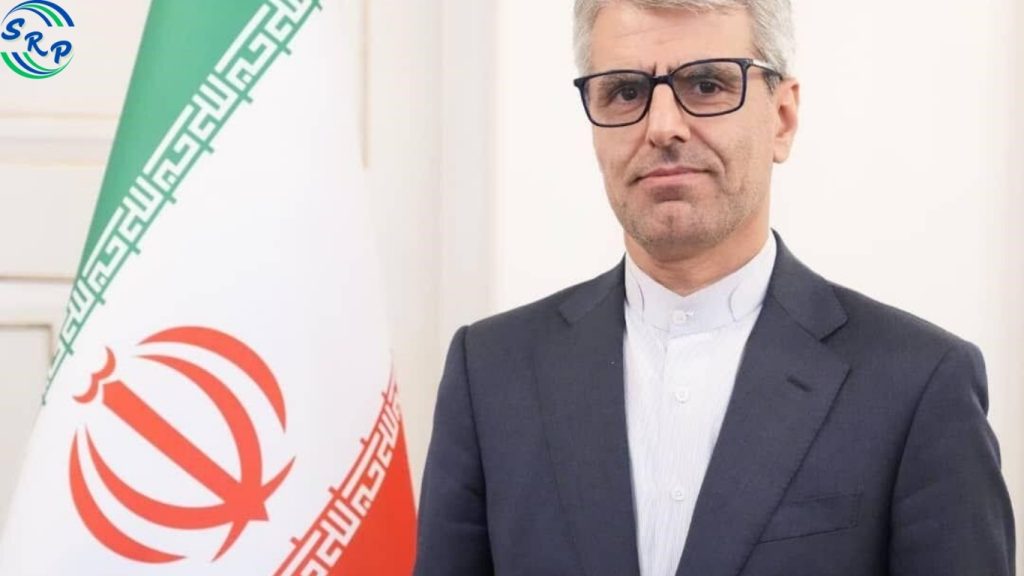
Foreign Ministry spokesman Esmail Baghaei said it’s still too early to confirm an exact signing date, stressing that the agreement is still under review. His comments suggest that negotiations may be in their final stage, but important details still need to be worked out.
Political observers say the coming hours could be decisive. If finalized, the agreement would mark one of the most significant diplomatic developments in the Middle East in recent years and could reshape regional dynamics after months of conflict.
Conclusion
With Donald Trump predicting an imminent signing and Iranian officials staying cautious, the world is watching developments in Tehran and Washington closely. Whether the deal is signed this weekend or delayed for further review, its outcome will likely have major implications for regional security, global energy markets, and future US-Iran relations.
Sources
- BBC News – Coverage of Trump’s announcement and the proposed signing timeline.
- Reuters – US and Iran inch closer to deal, Trump says Sunday but timing is unclear
- Al Jazeera – Analysis of Middle East tensions and the broader geopolitical context.
- Express News-Iran–US Peace Agreement Expected Today? Trump Claims Breakthrough, Tehran Disputes Timing