
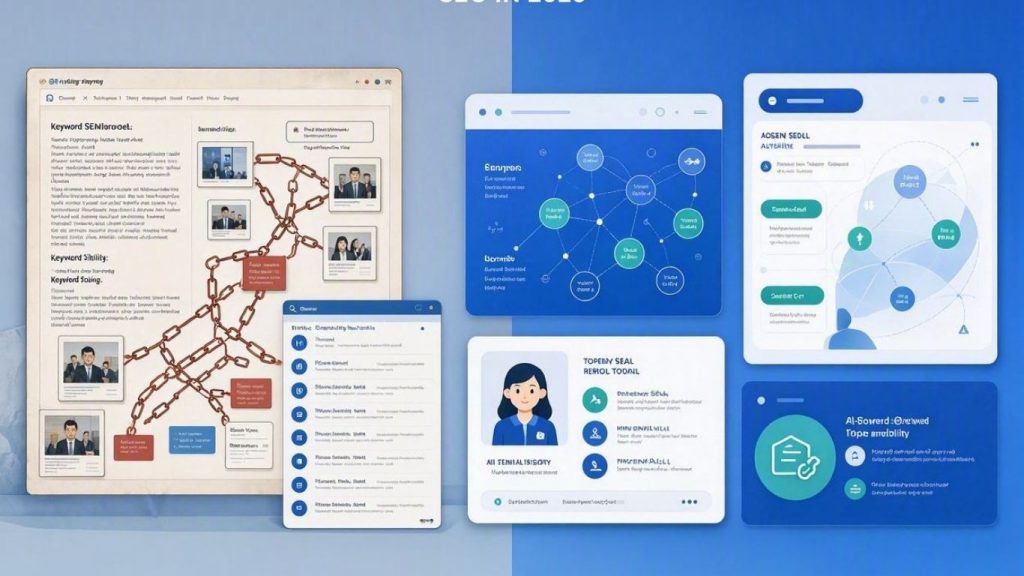
IS SEO dead in 2026—but the old way of doing SEO is. Search has changed dramatically. Google now combines traditional search results with AI-powered experiences, users ask longer and more specific questions, and simply publishing keyword-focused articles is no longer enough to build sustainable visibility.
For website owners, this raises an important question:
If AI can answer a user’s question directly, if Google keeps changing its search results, and if competition is everywhere, is SEO still worth investing in?
The short answer is yes.
But successful SEO in 2026 looks very different from the formula many websites followed a few years ago.
Instead of focusing mainly on keywords, rankings, and backlinks, modern SEO requires a broader approach: helpful content, strong topical coverage, technical accessibility, internal linking, credibility, user experience, and genuine value that cannot easily be replaced by another generic article.
Let’s look at what has actually changed—and what still works.
What Does “SEO Is Dead” Actually Mean?
When people say SEO is dead, they usually aren’t saying that search engines have disappeared.
They’re reacting to changes in how people discover information.
Search is no longer just:
User types a keyword → Google shows 10 blue links → user clicks a website.
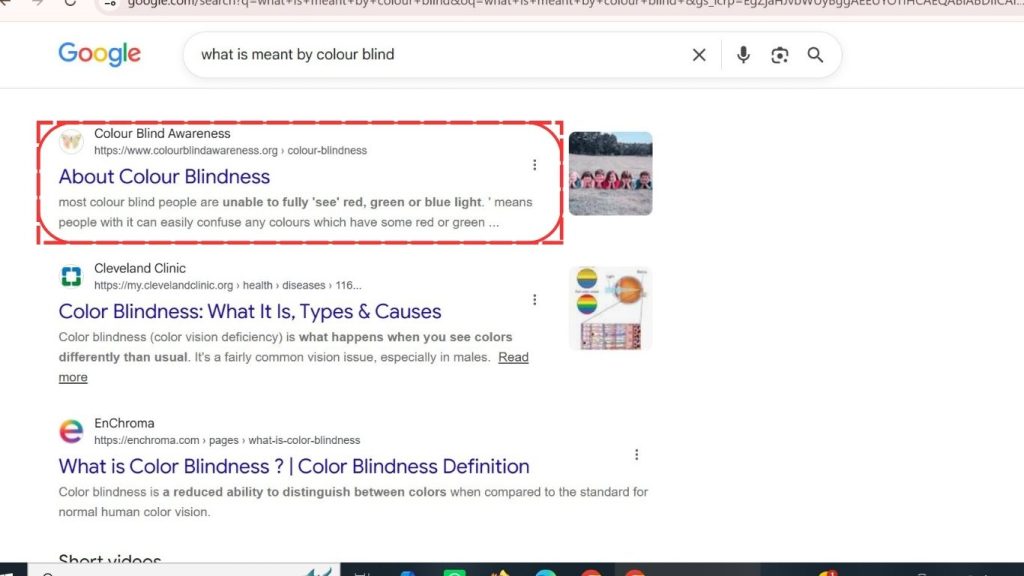
Today, users may encounter:
- Traditional organic results
- Featured search elements
- Images and videos
- AI Overviews
- AI Mode
- News results
- Discussion and forum content
- Other specialized search experiences
Google’s current documentation says AI Overviews and AI Mode use existing Search systems to surface relevant information and links, meaning traditional SEO fundamentals remain important for eligibility and visibility in these experiences.
So SEO hasn’t disappeared.
Search has expanded.
And that changes what website owners should optimize for.
The Old SEO Formula Is Becoming Less Effective
A traditional SEO strategy might have looked like this:
Find keyword → put keyword in title → write 1,500 words → add keyword several times → build backlinks → rank.
Some of these practices still have value, but this formula is far too simplistic for today’s search environment.
Google’s current Search Essentials emphasize helpful, reliable, people-first content and using words that people actually use to search for information.
Google also explicitly warns against creating content primarily to attract search-engine traffic, producing large amounts of content across unrelated topics, and creating pages simply because they appear to be trending.
That doesn’t mean keywords are irrelevant.
It means keywords are no longer the strategy—they are part of the strategy.
Is SEO dead in 2026?
No, SEO is not dead in 2026. However, the way SEO works has changed. Search engines now include AI-powered features, so websites need to focus on helpful content, search intent, topical authority, technical SEO, internal linking, and user experience rather than relying only on keywords and backlinks.
Does SEO still work in 2026?
Yes, SEO still works in 2026. Websites can continue to gain organic visibility by creating useful, relevant content and following strong technical and on-page SEO practices. However, ranking increasingly depends on the overall quality and usefulness of a website rather than simple keyword optimization.
Is SEO still relevant?
Yes. SEO remains relevant because search engines still need to discover, understand, and organize web content. What has changed is the search experience. With AI-powered search becoming more prominent, SEO now extends beyond traditional rankings to visibility across different search experiences.
Will AI replace SEO?
AI is unlikely to completely replace SEO. Instead, AI is changing how SEO works. Search engines are using AI to understand queries and content, while users are increasingly using AI-powered search experiences. Websites still need to be discoverable, technically accessible, useful, and trustworthy.
Are backlinks still important for SEO?
Yes, backlinks can still contribute to SEO, particularly when they come from relevant and trustworthy websites. However, the goal should not be collecting as many links as possible. Relevant, natural, editorially earned links are generally more valuable than large numbers of low-quality or unrelated backlinks.