
Breaking Overview
Regional tensions flared on May 4, 2026, after reports emerged of Iran attacks UAE again. The incidents included a drone attack on a key oil facility in Fujairah and cruise missiles headed towards Dubai, signalling a perilous escalation in Gulf security dynamics.
Drone Strike Hits Fujairah Oil Industry Zone
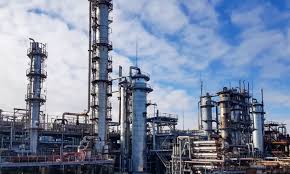
A serious attack occurred in Fujairah, where a drone attack struck the Fujairah Oil Industry Zone (FOIZ)—one of the UAE’s key energy hubs.
- A large fire erupted at the petroleum facility
- Three Indian nationals were injured (moderate condition)
- Victims were shifted to hospital for immediate treatment
- Civil defence teams responded quickly to contain the blaze
Authorities confirmed the fire was triggered by the drone strike, with initial reports pointing toward Iran as the origin. The situation remains under active monitoring.
4 cruise missiles were spotted
Meanwhile, the country was being attacked from the air, with Missile Attack.
The UAE Ministry of Defence said:
- Four cruise missiles were spotted
- Three intercepted successfully over territorial waters
- One missile struck the sea
- The emergency sirens of Dubai sounded
The swift interception avoided possible casualties and damage to infrastructure, highlighting the UAE’s refined and efficient air defence capacities.
Maritime Tensions Escalate Near Strait of Hormuz
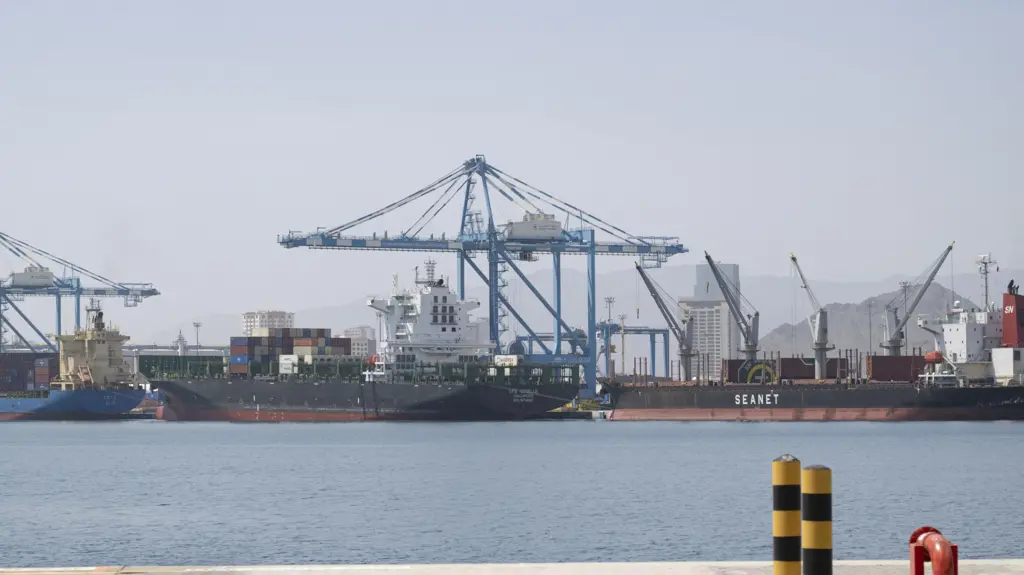
The crisis is not limited to land-based attacks. Maritime security has also been affected in and around the Strait of Hormuz—a critical route for global energy supplies.
Key developments include the following:
- Fires reported on cargo vessels near UAE waters
- A South Korean-operated ship hit by explosion and fire
- A tanker linked to ADNOC reportedly targeted by drones
These incidents highlight increasing risks to international shipping and oil transport routes.
Pattern of Escalation: Not the First Attack
This latest wave of attacks follows earlier strikes reported in March 2026.
Previous damage reportedly included:
- Smoke rising near Jebel Ali Port
- Disruptions around Dubai International Airport
- Damage in residential and commercial zones
The repetition of such incidents suggests a sustained escalation rather than isolated conflict.
Geopolitical Pressure and US Involvement
The timing of these attacks is significant.
- The United States recently moved to restore shipping operations in the Strait of Hormuz
- US forces escorted commercial vessels through the region
- Iran issued strong warnings against foreign military presence
This growing standoff is increasing the risk of a broader regional confrontation.
Current Situation: High Alert Across UAE
Authorities across the UAE remain on maximum alert:
- Emergency teams are still managing the Fujairah fire
- Air defence systems remain fully active
- Officials urge residents to follow verified updates only
Given the fast-changing situation, further developments are expected.
Conclusion: A Region on the Brink
The May 4, 2026, attacks represent a serious escalation in Gulf tensions, with implications far beyond the UAE. From oil infrastructure strikes to missile threats and maritime disruptions, the crisis is rapidly expanding.
If the situation continues on this trajectory, it could impact:
- Global oil prices
- International trade routes
- Regional and global security stability
For now, the world watches closely as the Gulf faces yet another critical moment.World on Brink: Strait of Hormuz Blockade 2026 – Can Pakistan Stop a US-Iran War?
want to stay updated follow our website srpublishers.org
1 thought on “Iran Attacks UAE Again: 4 Drone Strikes on Fujairah Oil Facility, Dubai Missile Attack”