

The Ebola outbreak 2026 continues to evolve in the Democratic Republic of the Congo (DRC) and Uganda, raising concerns among health authorities across Africa. The outbreak has been linked to the Bundibugyo virus, a rare strain of Ebola that has caused only a limited number of outbreaks in the past.
Current Situation of the Ebola Outbreak 2026
The outbreak was first identified in northeastern DRC after healthcare workers developed severe illnesses. Laboratory investigations later confirmed the presence of the Bundibugyo virus, one of the viruses known to cause Ebola disease in humans.
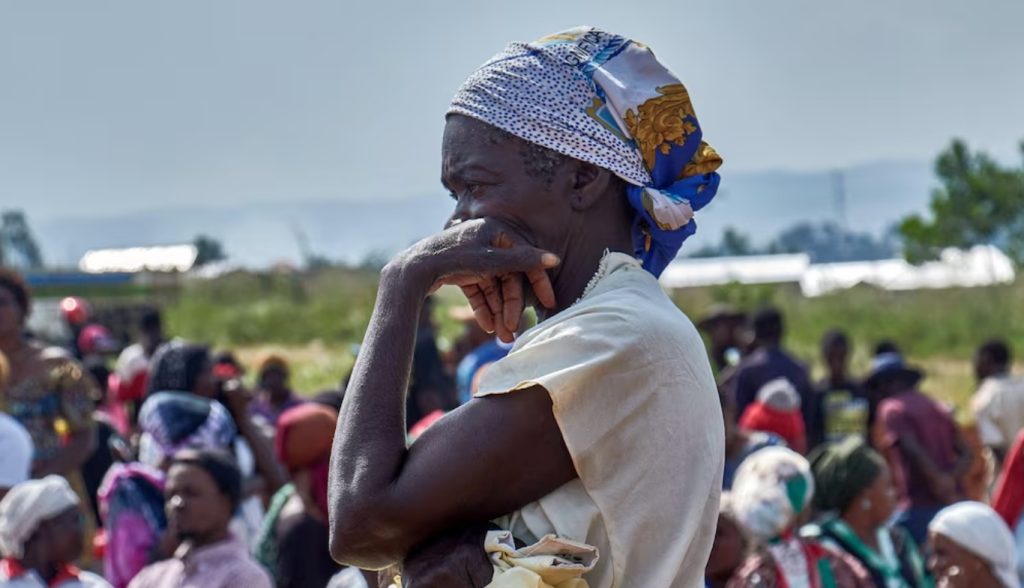
According to the Centers for Disease Control and Prevention (CDC) and the DRC Ministry of Health, 515 confirmed Ebola cases and 91 confirmed deaths had been reported in the Democratic Republic of the Congo as of June 6, 2026. Uganda had also reported 19 confirmed cases and 2 confirmed deaths linked to the outbreak.
Why the Congo Outbreak Is Concerning
Most confirmed infections have been reported from Ituri Province, with additional cases detected in North Kivu and South Kivu. Health authorities are facing challenges including limited healthcare resources, population movement, and security issues in some affected areas.
want to know about hanta virus must read this article: https://srpublishers.org/what-is-hantavirus-symptoms-transmission-updates/
The CDC has described the current event as the largest Bundibugyo virus outbreak recorded to date.
Bundibugyo Virus Symptoms
Early symptoms of Bundibugyo virus infection often resemble other common infectious diseases, making diagnosis difficult without laboratory testing.
Common symptoms include:
- Fever
- Severe weakness
- Headache
- Muscle pain
- Sore throat
As the illness progresses, patients may develop:
- Vomiting
- Abdominal pain
- Diarrhea
- Bleeding symptoms
- Organ dysfunction
The World Health Organization (WHO) reports that Bundibugyo virus disease has an incubation period ranging from 2 to 21 days and can become life-threatening if not managed promptly.
Ebola Outbreak 2026 Map: Areas Affected
The outbreak has been confirmed in:
- Ituri Province (DRC)
- North Kivu Province (DRC)
- South Kivu Province (DRC)
- Kampala (Uganda)
- Wakiso District (Uganda)
Health authorities continue monitoring additional regions because of cross-border travel between the two countries.

Ebola Outbreak 2026 Travel Restrictions
Several precautionary measures have been introduced to reduce the risk of international spread.
According to the CDC, enhanced travel screening and entry restrictions were implemented in May 2026 for travelers arriving from affected areas. Certain passengers from DRC, Uganda, and South Sudan are being routed through designated U.S. airports for additional public health screening.
However, the World Health Organization currently does not recommend general travel or trade restrictions against either DRC or Uganda.
Is Kenya Affected by the Ebola Outbreak 2026?
As of the latest official updates, Kenya has not reported confirmed Ebola cases linked to the current Bundibugyo virus outbreak. Nevertheless, health authorities across East Africa remain on alert due to regional travel and trade connections.
Is There a Vaccine for Bundibugyo Virus?
Unlike some other Ebola strains, there is currently no approved vaccine specifically designed for the Bundibugyo virus.
According to WHO and CDC reports, treatment mainly consists of supportive medical care, including hydration, monitoring, and management of complications.
Risk to the Public
Despite the growing number of cases in Central Africa, health authorities continue to assess the overall international risk as relatively low.
CDC officials have stated that no Ebola cases associated with this outbreak have been reported in the United States and that the risk to the general public remains low at this time.
Conclusion
The Ebola outbreak 2026 remains a significant public health challenge in the Democratic Republic of the Congo and Uganda. While the number of confirmed cases continues to increase, international health agencies are working closely with local authorities to strengthen surveillance, improve patient care, and limit further transmission.
Understanding Ebola symptoms, staying informed about travel advisories, and following updates from trusted health organizations remain important as the situation develops.
Official Links
- CDC Ebola Information: https://www.cdc.gov/ebola
- CDC Outbreak Updates: https://www.cdc.gov
- WHO Disease Outbreak News: https://www.who.int/emergencies/disease-outbreak-news
- WHO Ebola Information: https://www.who.int/health-topics/ebola