
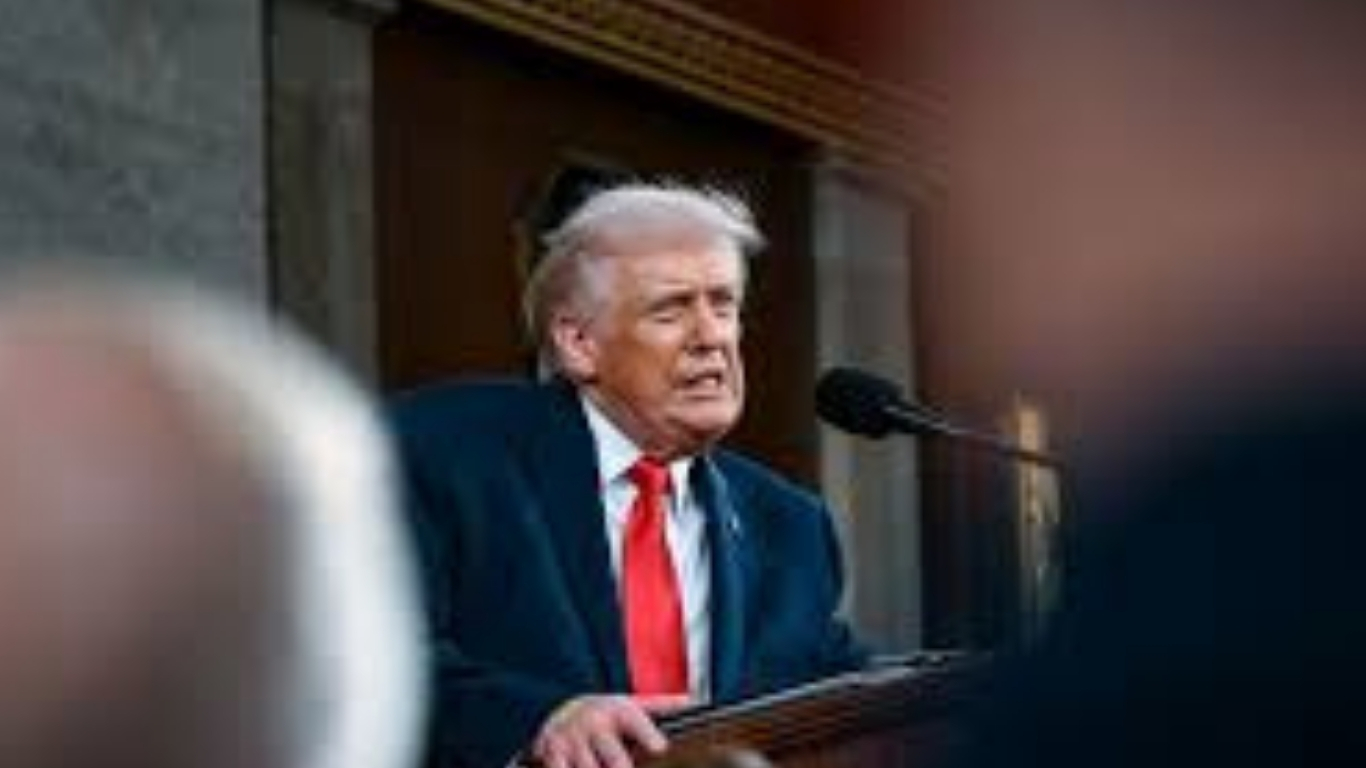
The Iran war 2026 has escalated dramatically as US-Israel Iran conflict enters its second week. Explosions and airstrikes have been reported across Iran, Lebanon, and Gulf countries, raising concerns over the Middle East war impact on oil and the global energy supply. The crisis threatens to push global oil prices higher and destabilize the Strait of Hormuz oil supply, a key route for the world’s oil shipments.
Former US President Donald Trump has intensified the conflict by demanding Iran’s unconditional surrender, rejecting any potential deal without full compliance. Analysts warn that continued escalation could trigger a major oil market crisis and affect fuel prices in Pakistan and other energy-importing countries.
Trump Rules Out Any Deal Except “Unconditional Surrender”
Donald Trump made it clear that the United States will not negotiate unless Iran agrees to an unconditional surrender.
In a series of statements, Trump said the military campaign’s objective is to dismantle Iran’s leadership structure and weaken its military network. He suggested that after the conflict, a new leadership could emerge to restore Iran’s economy and international relations.
“We will work tirelessly to bring Iran back from the brink of destruction, making it economically bigger, better, and stronger than ever,” Trump said, echoing his campaign-style rhetoric.
His statements have further escalated Middle East tensions, making diplomatic resolutions appear unlikely in the near term.
Massive Airstrikes Across Iran and Lebanon
Iranian cities have experienced heavy airstrikes, targeting military installations and command centers. Reports indicate that 50 Israeli warplanes hit Tehran, including underground bunkers and facilities used by Iran’s leadership.
Meanwhile, Israeli jets expanded attacks into southern Beirut, targeting Hezbollah-controlled areas. Authorities evacuated civilians from the southern suburbs, while the Lebanese health ministry reported 123 dead and 683 injured.
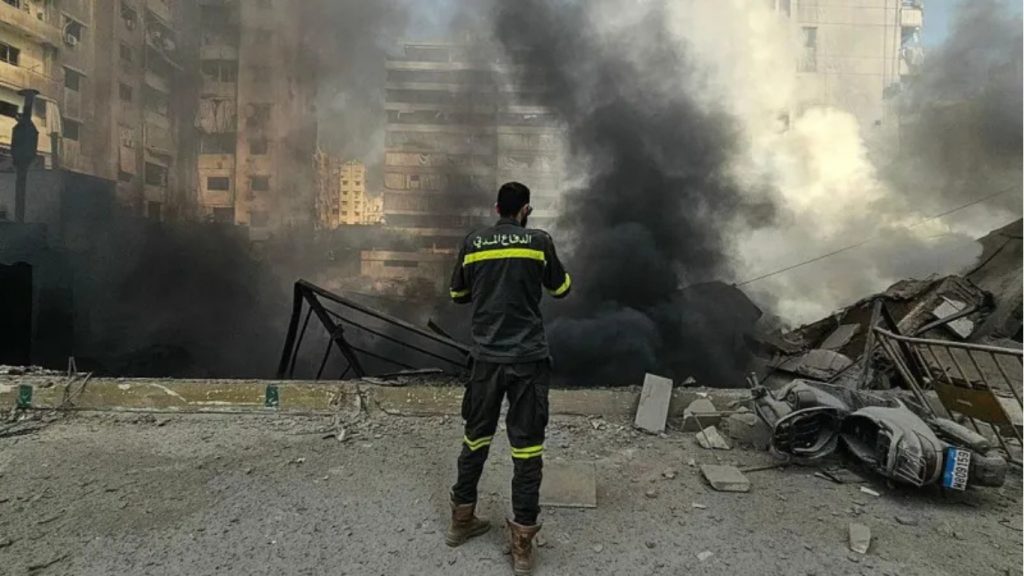
The combined US-Israeli campaign aims to cripple Iran’s military capabilities, further intensifying the ongoing Iran war 2026.
Iran Retaliates with Missiles and Drone Attacks
Iran’s Islamic Revolutionary Guard Corps (IRGC) has launched missiles and drones targeting Tel Aviv and US military bases across the Gulf, including Al-Udeid in Qatar, Ramat David in Israel, and US positions in Kuwait and Iraq.
IRGC described these strikes as part of “Operation True Promise”, emphasizing that Iran considers this an existential war and will continue defending its sovereignty and dignity.
Iranian officials reported no major casualties at several sites due to successful interception by air defense systems.
Rising Civilian Casualties and Humanitarian Crisis
The human toll continues to climb. According to the Iranian Red Crescent Society, more than 1,230 people have died in Iran since the conflict began, with thousands injured.
Over 3,600 civilian sites were damaged, including 3,090 homes, medical facilities, and commercial buildings. Cities like Tehran and Shiraz were heavily affected, with residential areas and schools hit by missiles.
In Lebanon, airstrikes in southern Beirut have forced thousands to flee, intensifying the humanitarian crisis in the region.
Regional Tensions Spread Across the Middle East
The war’s impact extends beyond Iran and Lebanon. Missile alerts and drone activity have been reported near Bahrain, Qatar, and the UAE, while Azerbaijan has threatened retaliation after drones crossed its Nakhchivan border.
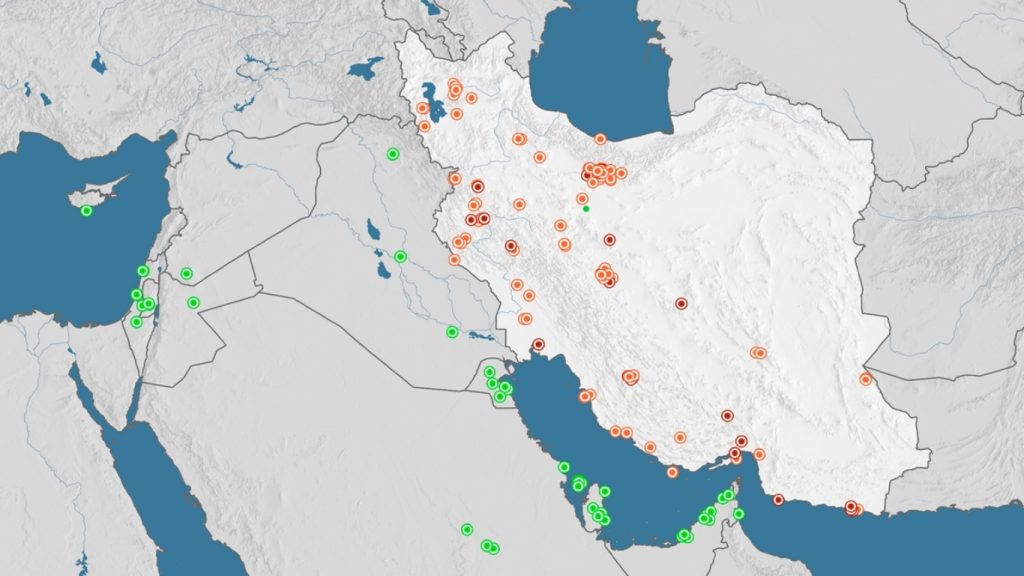
Military analysts warn that ongoing escalation could disrupt the Strait of Hormuz oil supply, a vital energy corridor, potentially causing global oil prices to surge.
Impact on Global Oil Prices and Energy Supply
The ongoing Middle East tensions have major implications for the global energy supply. Analysts warn that disruption to the Strait of Hormuz oil supply could lead to a sharp increase in fuel prices in Pakistan and other import-dependent nations.
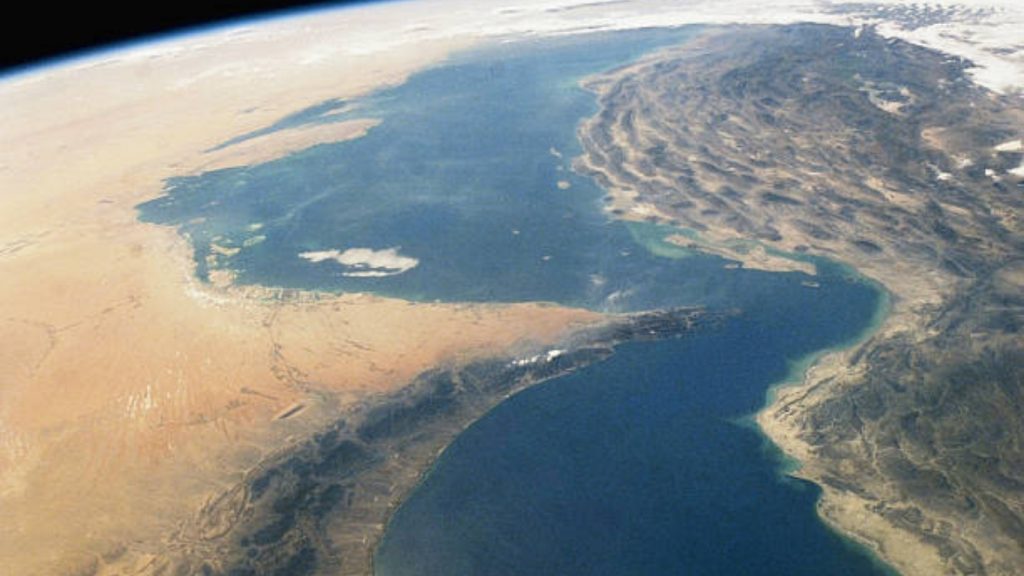
Energy markets are already reacting to the uncertainty, with crude oil prices climbing and global logistics affected. The potential oil market crisis underscores the global stakes of the conflict.
Mediation Efforts and Diplomatic Outlook
Despite escalating violence, some countries have initiated mediation efforts. Iranian President Masoud Pezeshkian confirmed that diplomatic channels are being explored, though Iran remains committed to defending its sovereignty.
Hezbollah has also warned Israeli civilians near the border to evacuate, indicating that the conflict could persist if attacks continue.
Uncertain Future for the Region
As the Iran war 2026 continues, military analysts caution that the crisis could escalate further or lead to negotiations depending on political developments. For now, both sides remain committed to military operations, including airstrikes, missile launches, and drone warfare.
International observers are closely monitoring the situation, hoping that diplomatic mediation can prevent further destabilization of the Middle East and avert a global energy crisis.
2 thoughts on “Iran War 2026 Live: Trump Demands “Unconditional Surrender” as US-Israel Attacks Intensify”
Comments are closed.