

Hantavirus is a rare but potentially deadly viral disease that has recently gained global attention after a multi-country outbreak linked to the MV Hondius cruise ship. Health authorities, including the World Health Organization, confirmed several infections and deaths connected to the outbreak, raising public concern about how hantavirus spreads and whether it poses a global threat.
Although health experts currently assess the risk to the general public as “very low,” the outbreak has sparked important questions about hantavirus symptoms, transmission, treatment, and prevention.
What Is Hantavirus?
Hantaviruses are a group of viruses naturally carried by rodents such as rats and mice. The virus was first identified near the Hantan River in South Korea in 1976, which is where its name originated.
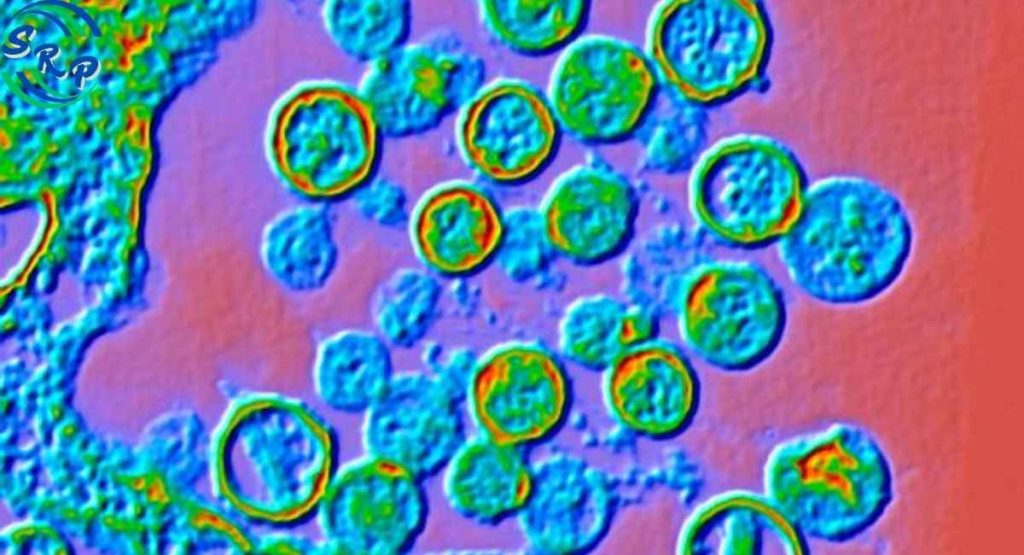
Humans can become infected when they come into contact with infected rodent urine, saliva, droppings, or contaminated dust particles. Once inside the human body, hantaviruses can cause severe illnesses affecting the lungs, heart, or kidneys.
There are two major disease forms caused by hantavirus:
- Hantavirus Pulmonary Syndrome (HPS/HCPS) affecting the lungs and heart
- Hemorrhagic Fever with Renal Syndrome (HFRS) affecting the kidneys
HPS is more common in North and South America, while HFRS is primarily found in Europe and Asia.
What Is the Andes Virus?
The recent cruise ship outbreak has been linked to the Andes virus, a strain of hantavirus mainly found in South America, especially in Argentina and Chile.
What makes the Andes strain unusual is that it is the only known hantavirus capable of limited human-to-human transmission. Most hantaviruses only spread from rodents to humans.
According to health experts, Andes virus transmission between humans generally requires close and prolonged contact, such as:
- Sharing a bed
- Intimate contact
- Prolonged household exposure
- Sharing food or personal spaces
Unlike airborne viruses such as COVID-19 or measles, Andes virus does not spread easily among large groups of people.
How Does Hantavirus Spread?
Hantavirus primarily spreads through exposure to infected rodents and their waste materials.
Common Ways Humans Become Infected
People may catch hantavirus through:

- Breathing in contaminated dust particles
- Touching rodent urine, saliva, or droppings
- Cleaning poorly ventilated rodent-infested areas
- Eating contaminated food
- Rodent bites or scratches (rare)
High-risk activities include:
- Farming
- Forestry work
- Camping in infested areas
- Cleaning barns, cabins, garages, or storage spaces
The virus can become airborne when dried rodent waste is disturbed during sweeping or cleaning.
Can Hantavirus Spread Between Humans?
In most cases, hantavirus does not spread between humans. However, the Andes virus strain has shown limited human-to-human transmission in previous outbreaks.
Experts believe transmission is most likely during the early stages of illness when viral shedding is highest.
The World Health Organization noted that close household members or intimate partners face the highest risk during such outbreaks.
Symptoms of Hantavirus
Symptoms usually appear between 1 to 8 weeks after exposure, depending on the strain.

Early Symptoms
Common early signs include:
- Fever
- Fatigue
- Headache
- Muscle aches
- Chills
- Dizziness
- Nausea
- Vomiting
- Diarrhea
- Abdominal pain
Severe Symptoms
As the illness progresses, patients may develop:
- Coughing
- Shortness of breath
- Pneumonia
- Chest tightness
- Fluid buildup in the lungs
- Respiratory failure
- Low blood pressure
- Kidney failure
In severe cases, patients may require intensive care, oxygen support, or mechanical ventilation.
How Deadly Is Hantavirus?
Hantavirus infections are rare but can be extremely dangerous.
According to global health agencies:
- Fatality rates in Europe and Asia range from 1% to 15%
- Fatality rates in the Americas can reach up to 50%
The severity depends on the virus strain, the patient’s health condition, and how quickly treatment begins.
The recent cruise ship outbreak has already resulted in multiple deaths, highlighting how rapidly the disease can worsen.
The MV Hondius Cruise Ship Outbreak Explained
The recent outbreak aboard the MV Hondius, a Dutch polar expedition cruise ship, became one of the most unusual hantavirus incidents ever reported.
The ship departed from Argentina in April 2026 and traveled through Antarctica and the South Atlantic region before several passengers developed severe respiratory illness.
Reported Cases
According to the World Health Organization:
- Multiple confirmed and suspected cases were identified
- Several passengers developed pneumonia and respiratory distress
- At least three deaths were reported
- Some patients required ICU treatment
- Symptoms appeared between April 6 and April 28
The ship carried passengers and crew from more than 20 nationalities, prompting international coordination among health authorities.
Investigators believe exposure may have occurred in South America before boarding the vessel.
Why Experts Say Public Risk Is Low
Despite headlines surrounding the outbreak, public health officials maintain that the risk to the general population remains very low.
There are several reasons for this:
- Hantavirus infections are relatively uncommon
- Human-to-human transmission is rare
- The Andes strain spreads inefficiently
- Close prolonged contact is usually required
- Most routine travel activities carry minimal risk
The European Centre for Disease Prevention and Control also confirmed that genetic sequencing does not suggest the virus has mutated into a more transmissible variant.
How Is Hantavirus Diagnosed?
Diagnosing hantavirus early can be difficult because symptoms resemble influenza or other respiratory illnesses.
Doctors may use:
- PCR testing
- Blood antibody tests
- ELISA testing
- Imaging scans for lung complications
Patients with suspected rodent exposure and flu-like symptoms are advised to seek medical care immediately.
Is There a Treatment or Vaccine?
Currently, there is no specific antiviral cure or approved vaccine for hantavirus infection.
Treatment mainly focuses on supportive medical care, including:
- Oxygen therapy
- Hydration
- Blood pressure stabilization
- Mechanical ventilation
- Intensive care monitoring
- Dialysis for kidney complications
Early hospitalization significantly improves survival chances.
How to Prevent Hantavirus
Preventing hantavirus mainly involves reducing contact with rodents and contaminated environments.
Prevention Tips
- Seal holes in homes and garages
- Store food securely
- Use rodent traps
- Avoid dry sweeping rodent waste
- Use disinfectants when cleaning
- Wear gloves and masks in infested areas
- Improve ventilation before cleaning enclosed spaces
Health experts recommend wet-cleaning methods instead of sweeping, which can release contaminated particles into the air.
Final Thoughts
The hantavirus outbreak linked to the MV Hondius cruise ship has drawn worldwide attention because of its rare circumstances and the involvement of the Andes virus strain. However, global health agencies continue to emphasize that the overall public risk remains low.
While hantavirus infections are uncommon, they can become severe very quickly. Awareness of symptoms, early medical attention, and proper rodent control remain the most effective ways to reduce risk.
As investigations continue, health officials worldwide are closely monitoring the situation to prevent further spread and better understand the source of exposure.


Thank you for putting this in a way that anyone can understand.
Honestly, it feels quite fascinating how much this web betting world already transformed in 2026, especially in terms of customer safety with slot variety.
I have invested significant hours checking different casinos, and I’ve observed
that the strong rolldorado casino review really make such a huge
difference in a player’s total experience ahead of you even choose for to process your
first payment. The main factor which forever pops remains that importance of a
easy login rolldorado since nobody prefers for to struggle
against broken sites if attempting for to open their best games.
I discovered various exceptionally helpful strategies
regarding maximizing this rolldorado inside
this roll dorado to actually secure that best possible value from any individual play.
It is moreover my honest belief how using the correct roll dorado
promo stays this top strategy toward new gamblers for to survive longer and learn the unique mechanics
of modern video machines avoiding wasting via money too fast.
However, I has must wonder, does people suppose how these
betting conditions on that regular casino bonus stay honest relative with
alternative major brands up right now? Additionally, what type of plans
are you usually employing for to handle one’s weekly caps properly?
I would love for to know your ideas regarding that as I’m constantly searching for to boost
the personal style. Let us start the talk going down here!
Ehrlich gesagt, finde ich, dass sich der Sektor für Online
Casinos total rasant entwickelt. Vor einiger Zeit war alles viel einfacher,
aber heutzutage muss man wirklich penibel prüfen, bei welchem Anbieter man die eigenen Einsätze platziert.
Insbesondere bei playjonny no deposit bonus geht, habe ich beobachtet, dass viele Bonusangebote zwar toll scheinen, man dennoch stets dieses Regelwerk lesen sollte.
Ein zentraler Punkt ist ebenfalls, dass der Kundensupport häufig einen echten Unterschied bewirkt, sofern es mal Probleme bei der Gewinnabhebung entstehen. Was mich aber total interessiert:
Wie geht ihr denn bei Verluststrähnen um? Macht ihr euch strikte Budgets oder zockt ihr eher aus dem Instinkt?
Für mich bleibt Beherrschung einfach das Fundament,
damit den Hobbycharakter keineswegs zu riskieren. Gibt es bei ihr
eventuell bereits Erfahrungen mit neuen Krypto-Casinos sammeln können, oder vertraut ihr lieber auf den bekannten Häusern? Persönlich würde mich
auf eure Kommentare sowie eine coole Unterhaltung in diesem Thread!
Γεια σε όλους, έχω την αίσθηση ότι τον τελευταίο καιρό η αγορά στα τυχερά παιχνίδια στην Ελλάδα έχει γίνει πιο ανταγωνιστική πάρα πολύ. Από τη δική μου πλευρά, νομίζω ότι η αξιοπιστία ενός παρόχου εξαρτάται βασικά από το πόσο γρήγορα γίνονται οι συναλλαγές αλλά και οπωσδήποτε από την υποστήριξη που διαθέτει. Ψάχνοντας αρκετές σελίδες, τακτικά κοιτάζω για κάποιον https://rukorma.ru/spinogambino-casino-ellada-review-gia-paihnidi-kai-casino-app-stin-ellada για να δω κατά πόσο οι προσφορές λογίζονται ως όντως τίμιες ή αν περιλαμβάνονται παγίδες τα οποία μας τους παίκτες δυσκολεύουν. Ακόμη, είναι αξιοσημείωτο πόσο έχει προοδεύσει η αίσθηση από το smartphone, καθώς στις μέρες μας κάθε λειτουργία τρέχουν σχεδόν ακαριαία. Οι υπόλοιποι, τι πιστεύετε όσον αφορά τις καινούργιες εξελίξεις και τι προσέχετε πιο πολύ πριν εκτελέσετε την εγγραφή σας; Μήπως τελικά η τύχη παίζει μεγαλύτερο βάρος σε σχέση με την κατάλληλη στρατηγική διαχείρισης των χρημάτων που διαθέτουμε; Ελπίζω σε τις εμπειρίες σας εδώ!
Друзья, вот только что подметил, будто актуальный рынок азарта сделался намного сложнее, чем несколько лет ранее. С моей моему мнению, в данный момент крайне критичное — это навык своевременно тормознуть, дабы ни в коем случае не проиграть весь банк в же секунды драйва. Кстати, некоторые ребята нередко ищут проверенный вход parimatch, чтобы быстро проверить актуальные линии или https://timeoftheworld.date/wiki/User:BelindaPike71 на самой системе, ибо уровень у этого самого бренда на самом деле на вполне достойном уровне. Кроме того желаю отметить, что лайв-казино вместе с реальными ведущими дух держит в разы эффектнее, чем любые цифровые симуляторы. Любопытно, а каким образом вы все реагируете на акциям после создании аккаунта — они реально способствуют победе или же лишь путают во время вейвджера? Кстати, какого типа подходы в parimatch casino для вас сейчас считаются максимально прибыльными? Буду рад пообщаться такие моменты, ведь обмен знаниями — дело крайне важная штука ради каждого пользователя.
Honestly, I’ve invested countless evenings trying out multiple tactics within several hubs, and I’ve found that discipline actually remains the main factor to avoiding draining one’s funds too fast. It’s rather cool the manner in which the plinko online game can feel entirely unique contingent on its volatility parameters. Lately, I’ve really been having fun with a specific https://funsilo.date/wiki/User:RochelleServin as that interface is super fluid compared to other clunky standard apps that I normally encounter. One thing that I must highlight is how the center rewards frequently drain the money faster than one might think, so the user tend to to go after the periphery. Do any of you think the max-row setups actually hit higher over time, or maybe is that strictly the visual trap? Regardless, one would love to find out if somebody else has discovered any ideal setting with the disc turns! Happy gaming to the crew out there!
Народ, уже не первый год замечаю, будто в современном мире азарта многие вещи начало заметно меняться, в частности в плане качества графики. Раньше игроки просто крутили слоты без всякой серьезной подготовки, но сегодня минуя знания механики пробовать совершенно нечего. Ради нормального входа ребятам была бы полезна четкая регистрация parimatch, ведь она разблокирует вход https://bookings.ecocexhibition.com/node/238285 к самым крутым линиям и лицензионным развлечениям без особых заморочек. К слову сказать, как быстрота вывода средств сейчас является чуть ли не ведущим критерием качества бренда, потому что томиться в ожидании кровные деньги в течение троицы дней как-то никакой игрок не станет. Мне думается, что сфера казино идет в направлении полной прозрачности, и это сильно обнадеживает. Любопытно, а вы какие конкретно фишки выделяете как наиболее приоритетными когда выбираете нового для себя места для серьезной катки? И насколько вам полагаетесь на акционным программам при регистрации? Буду рад обсудим в этой теме, может из вас поделится интересные советы.