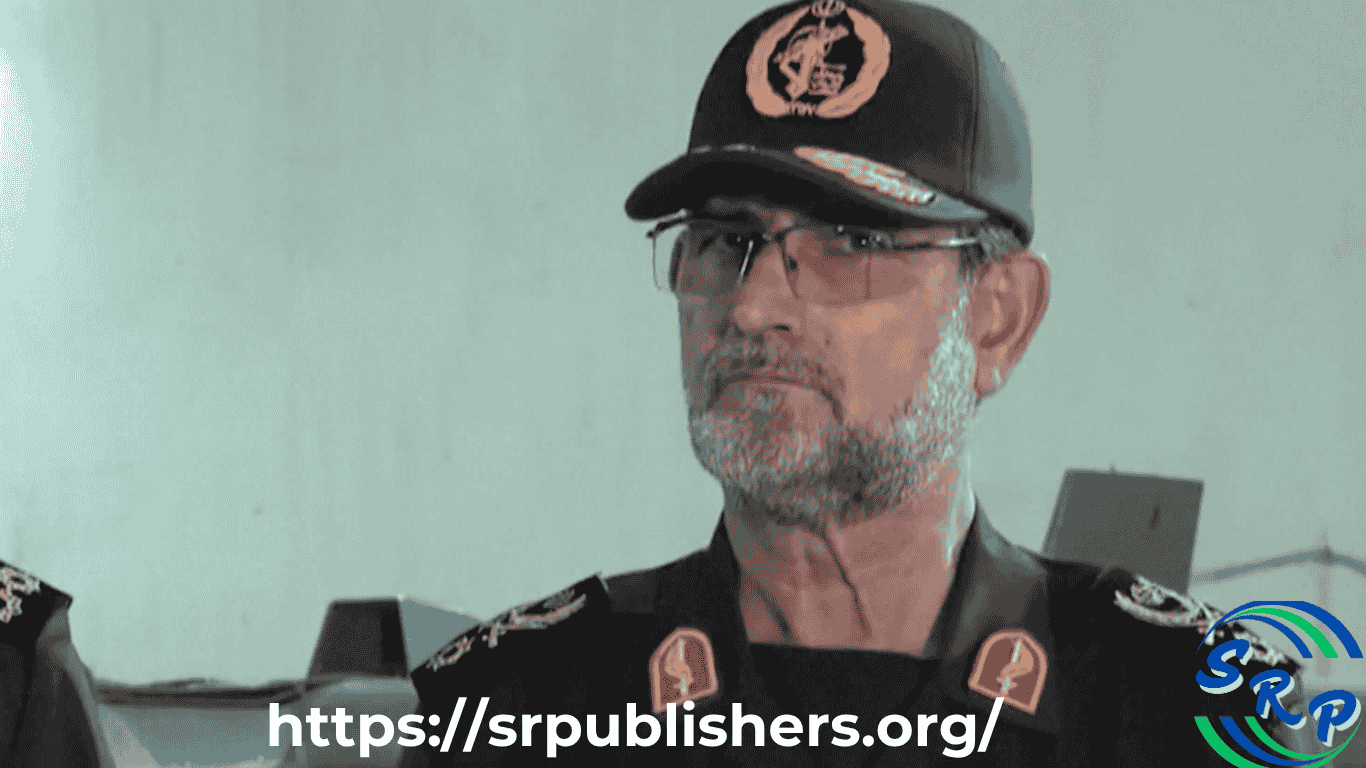
Killing of IRGC Navy Chief Alireza Tangsiri Confirmed — Middle East Crisis 2026
The US and Israel have confirmed the killing of IRGC Navy commander Alireza Tangsiri…
The US and Israel have confirmed the killing of IRGC Navy commander Alireza Tangsiri in an airstrike, marking a significant escalation in the ongoing middle east crisis 2026. The development has raised serious concerns about regional stability, global oil supply disruption, and the risk of a wider war in the Middle East.
This development is part of a broader and rapidly escalating conflict involving Iran, the United States, and Israel.
Who Was Alireza Tangsiri?
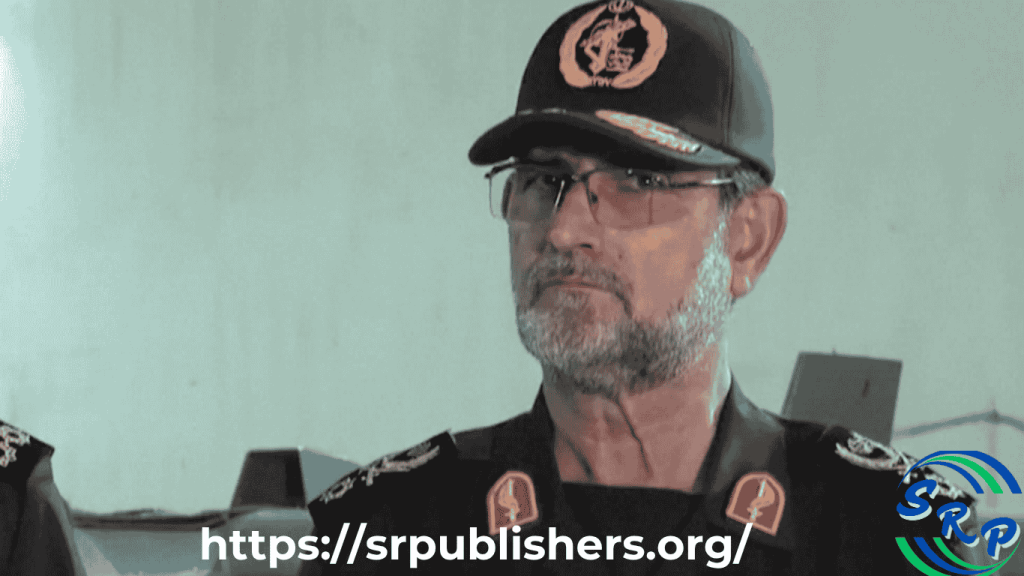
Alireza Tangsiri served as the commander of Iran’s Islamic Revolutionary Guard Corps Navy (IRGC-N) for nearly 8 years. He played a central role in Iran’s maritime strategy, particularly in the Strait of Hormuz, a critical global oil route.
According to US Central Command, Tangsiri oversaw operations that included:
- Targeting international commercial vessels
- Deploying drones and missile systems
- Disrupting maritime trade routes
US officials had previously designated him under terrorism-related sanctions.
Details of the Airstrike
According to Israeli defence officials, the airstrike targeted Tangsiri at a secure location in southern Iran. Israeli Defence Minister Israel Katz stated, as reported by AFP, that Tangsiri was killed along with other senior naval officers.
Israeli Prime Minister Benjamin Netanyahu confirmed the operation on X, describing Tangsiri as responsible for actions that threatened regional security.
The US Central Command also stated on X that the strike contributes to regional stability by weakening Iran’s naval command structure.
Iran has not officially confirmed the death so far.
Military Escalation and US Strategy
According to Reuters and Axios reports, the Pentagon is reviewing options for further escalation in the US-Iran war update. These include:
- Expanded airstrike campaigns
- Potential ground operations
- Strategic naval blockades near the Strait of Hormuz
However, US President Donald Trump has not made a final decision regarding these military options.
Read more about US-Israel war on Iran https://srpublishers.org/iran-war-2026-trump-demands-unconditional-surrender/
Diplomatic Efforts and Mediation
Despite rising tensions, diplomatic channels remain active through indirect communication.
Pakistan is currently facilitating backchannel diplomacy. Foreign Minister Ishaq Dar stated that:
- Messages are being exchanged between Washington and Tehran
- No formal negotiations are underway
- A 15-point US proposal has been shared with Iran
Türkiye and Egypt are also supporting mediation efforts aimed at reducing tensions.
Iran’s Position
Iran has rejected the US proposal, describing it as “one-sided.”
Foreign Minister Abbas Araqchi stated that:
- Iran does not intend to enter direct negotiations
- Any resolution must align with Iran’s conditions
- The country will continue responding militarily if necessary
Iran has also continued missile and drone operations targeting regional positions.
Global Impact of the Conflict
Oil Market Disruption
The Strait of Hormuz remains heavily affected, impacting nearly one-fifth of global oil supply. This has led to:
- Sharp increases in oil prices
- Fuel shortages in multiple regions
Economic and Food Security Risks
The World Food Programme has warned that prolonged conflict could push millions toward food insecurity.
Global businesses are facing:
- Increased logistics costs
- Disrupted supply chains
- Declining consumer demand
US Criticism of NATO
President Donald Trump criticized NATO, stating that the alliance has provided minimal support in the ongoing conflict.
He also suggested that the United States may reconsider its strategic commitments if the situation continues.
UN Warning on Escalation
UN Secretary-General Antonio Guterres warned that the conflict is approaching a critical point.
According to his statement:
- The situation is “out of control”
- There is a high risk of a wider regional war
- Immediate diplomatic intervention is necessary
What Happens Next?
The situation remains fluid, with multiple possible outcomes:
- Continued military escalation
- Limited diplomatic breakthroughs
- Increased global economic pressure
The Alireza Tangsiri death is being viewed as a turning point, but its long-term impact on the Middle East crisis remains uncertain.
Conclusion
The killing of Alireza Tangsiri highlights the intensifying nature of the Iran-Israel conflict 2026. While it represents a strategic gain for the US and Israel, it also raises the risk of broader instability in the region.
As tensions continue to rise, the focus remains on whether diplomatic efforts can prevent further escalation or if the conflict will expand into a wider war.