

Pakistan Faces Growing Pressure from Global Fuel Crisis
Pakistan is preparing to implement a comprehensive Pakistan austerity plan amid fuel crisis as rising global oil prices triggered by the US-Israel-Iran conflict continue to impact energy markets worldwide.

As Mentioned by the Express tribune, Prime Minister Shehbaz Sharif has announced a wide range of austerity measures aimed at reducing government expenditures, conserving fuel, and protecting the country’s economic stability. The decision comes at a time when international tensions in the Middle East have intensified, leading to volatility in the global oil market and raising concerns about energy supplies for many countries, including Pakistan.
Officials say the government’s austerity and savings plan is designed to ensure that Pakistan’s economy remains stable while minimizing the financial burden on ordinary citizens during a period of global uncertainty.
Global Fuel Crisis and Middle East Conflict
Impact of US-Israel-Iran Tensions on Global Oil Markets
The current global fuel crisis 2026 has been largely driven by rising tensions in the Middle East following military actions involving the United States, Israel, and Iran.
Reports indicate that US and Israeli air strikes targeted key Iranian locations, resulting in the death of several senior Iranian officials, including Iran’s Supreme Leader Ayatollah Ali Khamenei. The attacks significantly escalated tensions in the region and triggered a series of retaliatory responses.
In response, Iran reportedly launched missile attacks targeting US military bases in Gulf countries, broadening the regional conflict and increasing fears of a larger confrontation.
Another major development affecting the global oil market was Iran’s decision to close the Strait of Hormuz, one of the world’s most important oil shipping routes. A significant portion of global petroleum shipments normally passes through this strategic waterway.
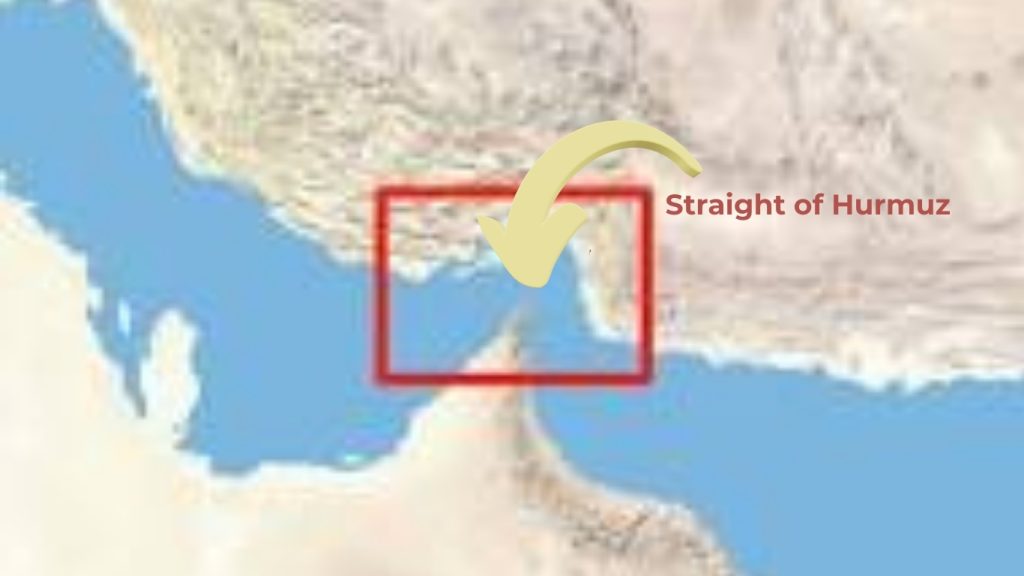
The closure disrupted the movement of oil supplies, causing rising global oil prices and increasing volatility in international energy markets. Analysts say the surge in crude prices represents the sharpest weekly increase since the extreme fluctuations witnessed during the COVID-19 pandemic in 2020.
These developments have intensified the Middle East conflict impact on Pakistan, which relies heavily on imported petroleum products to meet its domestic energy needs.
Pakistan Government Responds with Austerity Measures
National Austerity Plan to Protect Economic Stability
Amid the worsening Pakistan fuel shortage and growing pressure on domestic energy costs, the federal government has decided to introduce a comprehensive austerity plan Pakistan government.
Prime Minister Shehbaz Sharif reviewed several proposals during a high-level meeting attended by federal ministers, senior officials, and representatives from the provinces.
The meeting focused on evaluating the economic stability measures required to protect the national economy in light of the rapidly changing international situation.
Officials informed the prime minister that rising tensions in the Middle East could affect Pakistan’s economy through increased oil prices and possible disruptions in energy supply chains.
The government emphasized that all possible steps would be taken to maintain Pakistan economy stability and ensure that public interests remain protected during this challenging period.
Key Measures Announced Under the Austerity Plan
Reduction in Government Fuel Consumption
One of the most significant fuel conservation measures Pakistan has announced is a reduction in fuel use by government departments.
Under the plan:
- Fuel allocated to government vehicles will be reduced by 50 percent for the next two months.
- Ambulances and emergency vehicles will be exempted from this restriction.
The measure aims to reduce unnecessary fuel consumption and ensure the efficient use of energy resources during the ongoing crisis.
Government Vehicles to Be Limited
To further cut fuel usage, authorities have also decided that:
- Around 60 percent of vehicles used by government departments will remain off the roads for the next two months.
Officials say this step will significantly reduce fuel demand and contribute to overall energy conservation strategy efforts.
Salary Cuts and Contributions from Public Officials
The government has also introduced financial measures aimed at demonstrating solidarity with the public.
According to the announcement:
- Federal ministers, advisers, and special assistants will not receive salaries for two months.
- Members of Parliament will face a 25 percent reduction in their salaries.

Additionally, senior government officials in Grade 20 and above, earning more than Rs300,000 per month, will contribute the equivalent of two days’ salary.
The funds collected through this measure will be used to provide relief to the public and support national economic stability.
Government Spending Cuts
As part of broader government expenditure reduction policies, the federal government has also ordered:
- A 20 percent reduction in operational expenditures across all government departments, excluding salaries.
This step is expected to reduce administrative costs and improve Pakistan fiscal management during the global energy crisis.
Ban on Government Purchases
Another key element of the public sector austerity policies is a ban on unnecessary government purchases.
The government has imposed a complete ban on buying new vehicles, furniture, air conditioners, and other equipment for government offices.
Officials say the restriction will remain in place until the economic situation improves.
Restrictions on Official Travel and Events
To further reduce expenses, the government has also placed strict restrictions on official travel.
Federal and provincial ministers, advisers, and government officials will not be allowed to undertake foreign visits unless the trip is deemed essential for national interest.
The ban also applies to provincial governors and senior officials.
In addition, the government has:
- Banned official dinners and government-funded Iftar parties
- Directed departments to hold seminars and conferences at government facilities instead of hotels
These steps aim to reduce public spending and demonstrate a commitment to austerity during a national challenge.
Work-From-Home Policy to Save Fuel
Another major component of the Pakistan energy crisis management strategy is the introduction of work-from-home arrangements.
The government plans to encourage remote working in both the public and private sectors, except for essential services.

Officials believe this step will help reduce commuting, decrease fuel consumption, and lower pressure on energy resources.
Petrol Price Increase Adds to Public Concerns
In response to the international energy market volatility, the government has already increased diesel and petrol prices by Rs55 per litre, representing a roughly 20 percent rise.
Authorities say the decision was necessary due to the sharp increase in global oil prices.
However, due to the petrol price increase Pakistan has already begun to affect daily life.

Across the country, citizens have reported:
- Higher public transport fares
- Increased costs of fruits, vegetables, and groceries
- Rising expenses for school transportation services
Shopkeepers say the cost of transporting goods has increased significantly, with some reporting that delivery expenses have risen from around Rs1,000 per trip to as much as Rs3,000.
Government Assures Adequate Fuel Supply
Despite concerns about a possible Pakistan fuel shortage, officials have assured the public that sufficient reserves of petroleum products are available.
Authorities stated that adequate stocks of petrol, diesel, and other petroleum products have already been secured to handle potential disruptions.
The government is also closely monitoring the petroleum products supply situation to ensure stability in domestic markets.
Technology to Monitor Energy Demand
During the meeting, officials also highlighted the role of technology in managing the crisis.
The Ministry of IT Pakistan has been tasked with developing a system to monitor fuel demand and supply across government departments.
This fuel demand monitoring system will allow authorities to track energy usage and ensure more efficient resource management.
Officials say the system will help institutions make timely decisions and support overall economic stability measures.
Provinces Brief PM on Economic Preparedness
The meeting also included briefings from the provincial chief secretaries of all four provinces.
They provided updates on:
- Economic activities
- Energy consumption levels
- Administrative preparedness in response to global tensions
The government stressed the importance of coordination between federal and provincial authorities to address the evolving economic challenges.
Call for Shared Responsibility
Prime Minister Shehbaz Sharif emphasized that the burden of austerity should be shared fairly across society.
He urged the privileged and elite classes to set an example by voluntarily adopting austerity and reducing unnecessary expenditures.
According to the prime minister, responsible management of national resources is essential during times of crisis.
Government Promises Relief After Crisis
Despite the difficult measures, the government has assured citizens that these steps are temporary and necessary.
Officials say that once global conditions stabilize and Pakistan’s economy becomes stronger, the government will introduce policies aimed at providing maximum relief to the public.
Authorities also clarified that austerity measures will not affect industrial or agricultural sectors, ensuring that production, exports, and food security remain protected.
Conclusion
The Pakistan Austerity plan amid fuel crisis reflects the government’s attempt to respond to a rapidly evolving global situation caused by the US-Israel-Iran conflict and rising energy prices.
Through a combination of government spending cuts, fuel conservation measures, and administrative reforms, authorities hope to stabilize the national economy while safeguarding public interests.
Although the measures may create short-term challenges, officials believe they are necessary to protect Pakistan’s long-term economic stability during a period of international uncertainty.
Sources: This article is based on reports originally published by The Express Tribune and Dawn News and has been rewritten and expanded for informational and analytical purposes.


One Comment
Comments are closed.