
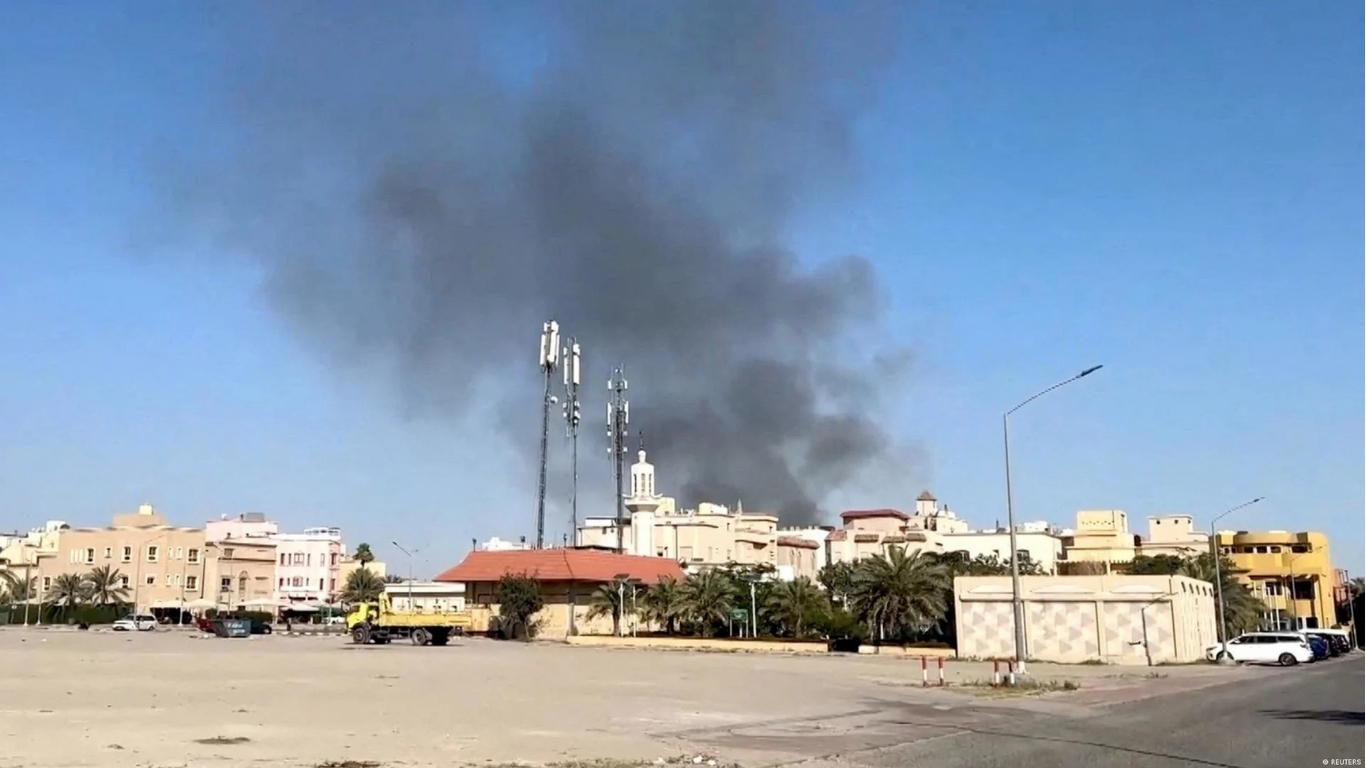
US-Israel war on Iran live: conflict spreads to Lebanon and wider region, as Kuwait reports ‘three F15’ US warplanes crashing
After the US-Israel war on Iran and the death of Ayatollah Khomeini the conflict in the Middle East intensified further after Kuwait confirmed that several American warplanes crashed on its territory. The incident took place as Iran continued a third consecutive day of retaliatory strikes across the Gulf region.
Iran Refuses Negotiations with US President Donald Trump in
After the US-Israel war on Iran and the death of Ayatollah Khomeini the conflict in the Middle East intensified further after Kuwait confirmed that several American warplanes crashed on its territory. The incident took place as Iran continued a third consecutive day of retaliatory strikes across the Gulf region.
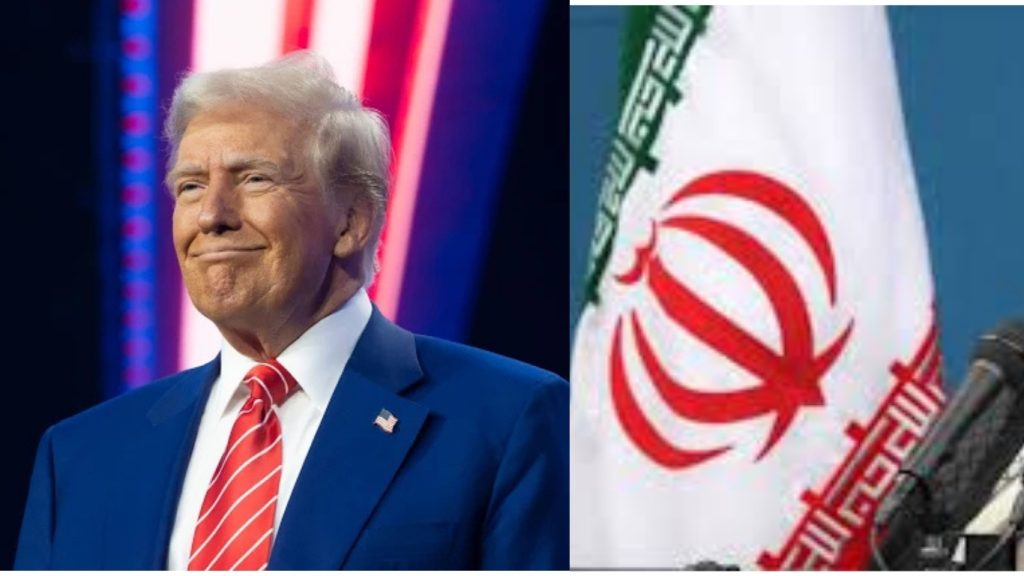
Tehran has clearly stated that it will not engage in any negotiations with US President Donald Trump, raising concerns that the war involving the United States, Israel and Iran could become prolonged.
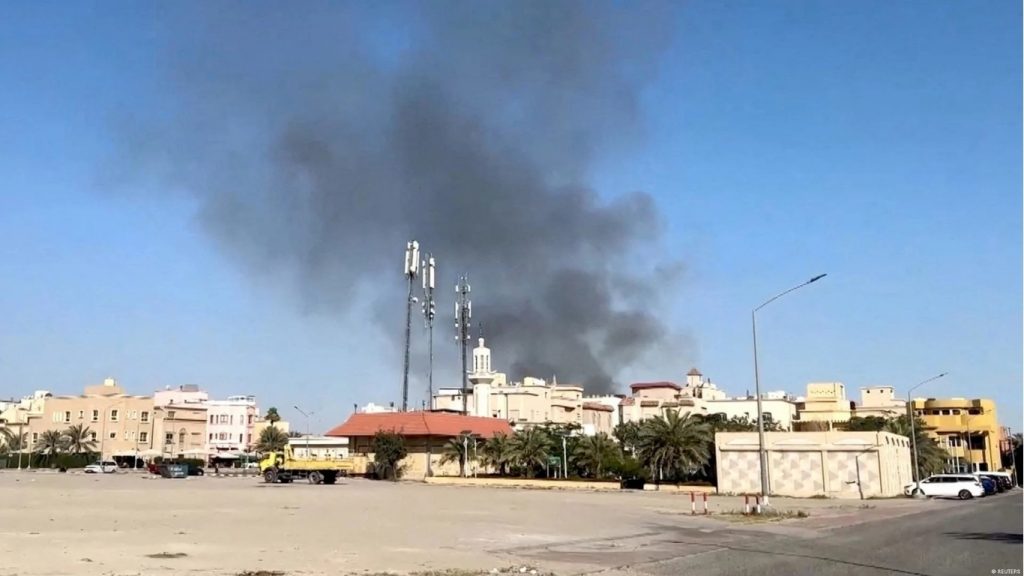
As reported by The Express Tribune, citing international news agencies Reuters and AFP, Kuwait’s Defence Ministry confirmed that “several US warplanes” crashed on Monday morning.
According to officials, all crew members survived and were immediately transported to hospital for medical examination. Their condition is said to be stable, while investigations into the cause of the crashes are ongoing.
The crashes occurred amid Iran’s continued targeting of US-linked assets in the Gulf.
Iran continues retaliatory strikes; Kuwait intercepts drones
Kuwait stated that its air defence systems intercepted multiple hostile drones approaching its territory. Reports suggest that Iran targeted the US Ali Al Salem Air Base in Kuwait, along with naval vessels in the northern Indian Ocean.

The growing tension between Iran and the United States is also impacting global markets. Oil prices have surged sharply, and investors remain cautious amid rising geopolitical risks.
Iranian state media described the strikes as part of “Operation True Promise 4.” Tehran claims it also targeted oil tankers linked to the US and UK in the Strait of Hormuz. These claims, however, have not been independently verified.
Meanwhile, reports indicated that Iran’s Natanz nuclear facility was struck during joint US-Israeli attacks. Iranian authorities confirmed damage but did not provide further details.
Lebanon front opens; Hezbollah and Israel exchange fire
The conflict has now expanded beyond Iran. Israel carried out new airstrikes on Tehran and widened its military campaign to Lebanon, targeting positions linked to Hezbollah.
Hezbollah earlier acknowledged launching missiles and drones toward Israel in response to the reported killing of Iran’s Supreme Leader Ali Khamenei.
Heavy explosions were reported in southern Beirut. The Israeli military stated that Hezbollah would bear responsibility for any further escalation and urged residents in parts of southern and eastern Lebanon to evacuate.
According to Lebanon’s Health Ministry, more than 30 people have been killed in the latest Israeli strikes.
These developments come despite a US-brokered ceasefire agreement in 2024, which now appears to have collapsed.
Sirens across Israel; fresh missile launches from Iran
Air raid sirens sounded in several Israeli cities, including Tel Aviv and Jerusalem, as Iranian media reported a new wave of missiles launched from central Iran toward “enemy targets.”
Israeli officials claimed they had achieved aerial superiority over Tehran and targeted intelligence and military command centers.
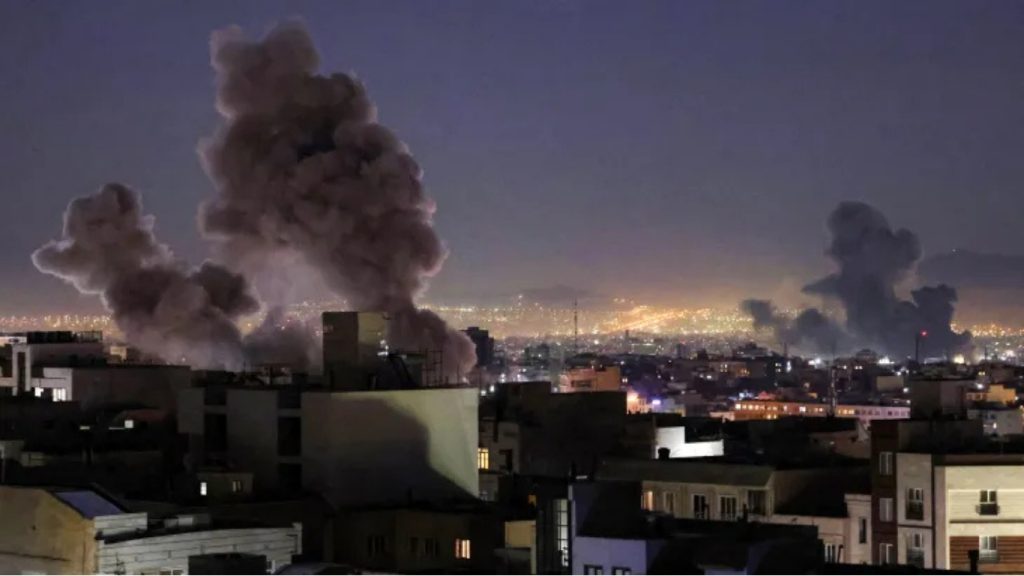
Explosions were heard in various parts of Tehran, while loud blasts were also reported in Dubai and Doha, highlighting the regional scale of the conflict.
US casualties confirmed; Trump vows continued operations
The United States confirmed its first casualties since the start of the campaign. Three American service members were killed at a base in Kuwait.
President Donald Trump described them as “true American patriots” and stated that operations would continue until all objectives are achieved.
He said more than 1,000 Iranian targets have been struck so far, including naval ships and military infrastructure.
A senior White House official stated that “Operation Epic Fury” would continue. However, political pressure is increasing within the United States. Opinion polls suggest limited public support for the conflict, potentially creating challenges ahead of the upcoming midterm elections.
Iran rejects talks; temporary leadership takes charge
Speculation had emerged about possible renewed nuclear talks between Tehran and Washington. However, senior Iranian leader Ali Larijani rejected such reports, stating that Iran would not negotiate with Trump.
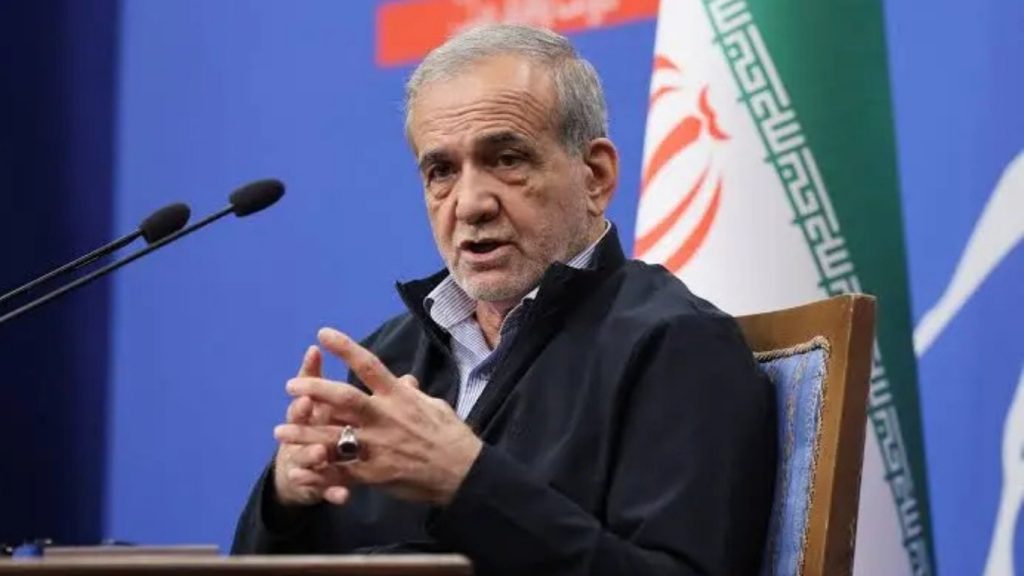
Following the reported death of Supreme Leader Ali Khamenei, Iran is undergoing a leadership transition. President Masoud Pezeshkian announced that a temporary council has assumed leadership responsibilities.
Experts suggest that Iran’s political system is unlikely to collapse quickly, as the Islamic Revolutionary Guard Corps (IRGC) maintains significant influence.
Oil prices rise; global flights disrupted
Concerns over security in the Strait of Hormuz pushed crude oil prices up by nearly 9%. Shipping companies have slowed operations due to rising risks, and insurance costs are increasing.
Major aviation hubs such as Dubai faced temporary closures, disrupting international air travel. Asian airline stocks recorded noticeable declines.
Cyprus and Saudi Arabia respond
The UK Ministry of Defence confirmed that a drone strike hit RAF Akrotiri base in Cyprus, though no casualties were reported.
Saudi Arabia denied reports suggesting it had lobbied President Trump to launch strikes on Iran, stating that it continues to support diplomatic solutions.
Civilian casualties increase
Iran reported that the death toll from an Israeli strike on a school in Minab has risen to approximately 180. President Masoud Pezeshkian described the attack as a “barbaric act.”
In Lebanon and Israel, civilians are fleeing affected areas. Heavy traffic and panic were reported in Beirut following overnight strikes.
What comes next
Military operations and strong political statements continue from both sides. Search terms such as “US-Iran war 2026,” “Iran live news,” “oil price surge,” and “Hezbollah Israel conflict” are trending globally.
If diplomatic efforts fail, the war may extend beyond Iran and Israel, potentially engulfing the wider Middle East.
Conclusion
The crash of US warplanes in Kuwait and Iran’s firm refusal to negotiate highlight the fragile and dangerous state of the region. Oil markets, global aviation, and regional security are already under significant strain.
As the situation remains fast-moving and unpredictable. The coming days will be critical in determining whether diplomacy can return — or whether the Middle East is heading toward a prolonged and devastating war.


One Comment
Comments are closed.