
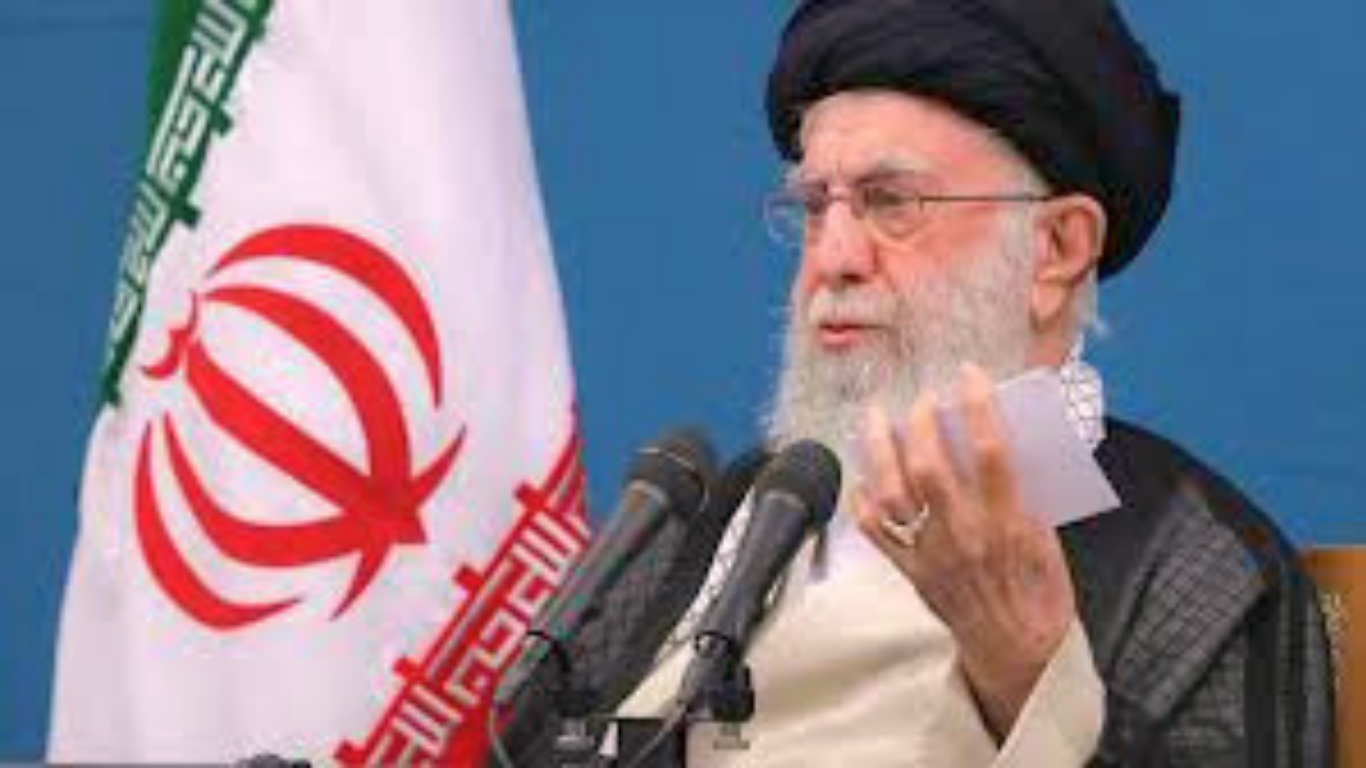
After the confirmation of Ayatollah Khamenei’s death the middle east condition starts worsens.
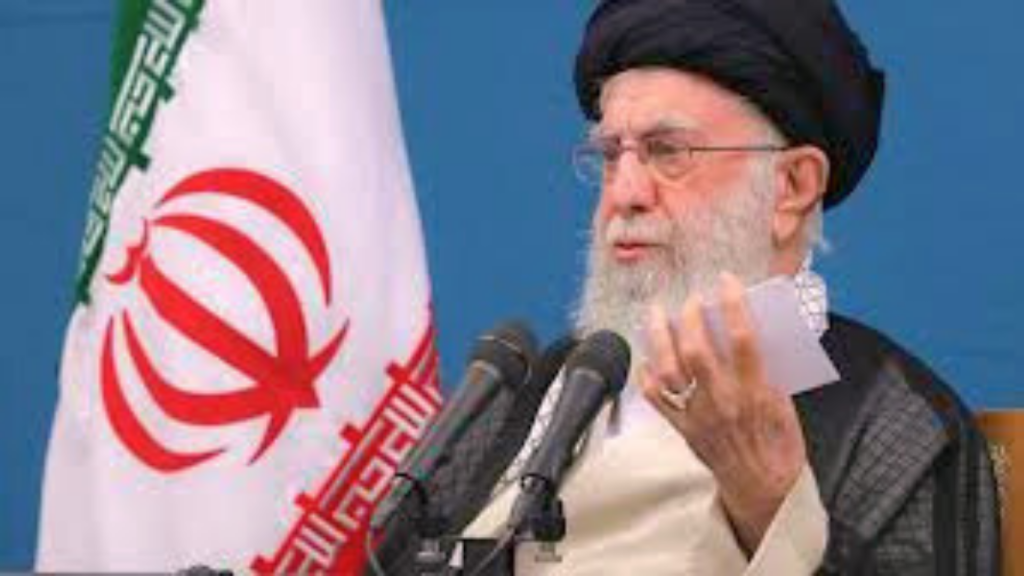
Iranian state television announced the death of the 86-year-old leader late Saturday, triggering immediate military escalation across the region. The information is based on Reuters reporting that were published by The Express Tribune and further BBC News updates.
Israel Launches Further Strikes Inside Iran
Shortly after confirmation of death of Iran’s Supreme Leader, Ayatollah Ali Khamenei, Israel carried out another round of air attacks early Sunday. According to Israeli military officials, the targets included:
- Ballistic missile storage facilities
- Missile launch platforms
- Air defence installations
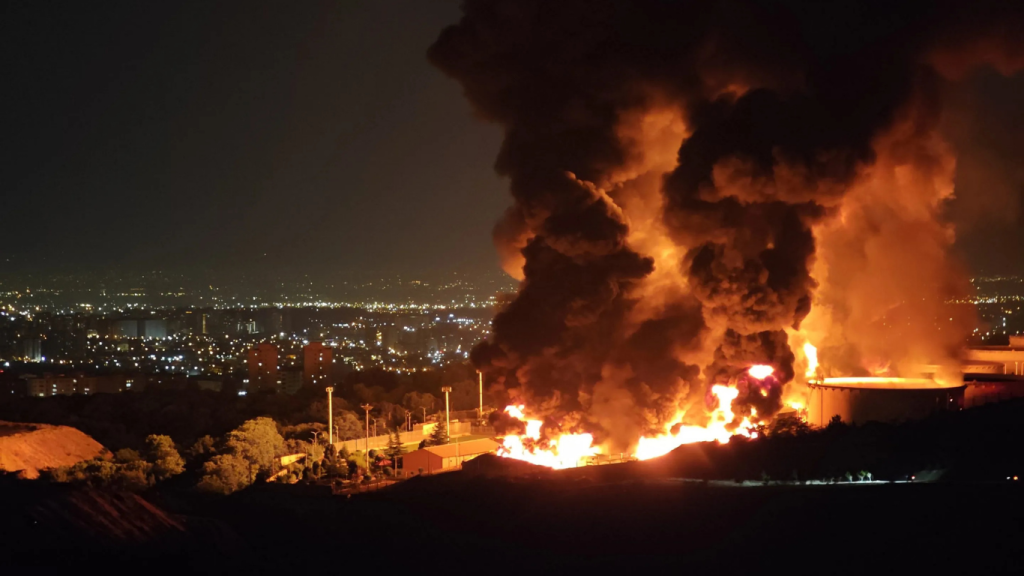
Explosions were reported in Tehran, while satellite imagery indicated significant structural damage to locations linked to Iran’s top leadership.
Israeli authorities described the operation as part of a broader strategy aimed at limiting Iran’s military reach.
Iran Fires Back With Missiles and Drones
Iran responded within hours, after death of Iran’s Supreme Leader, Ayatollah Ali Khamenei:
Officials in Tehran confirmed the launch of hundreds of missiles and drones aimed at:
- US military bases in the region
- Israeli territory
- Strategic locations in allied states
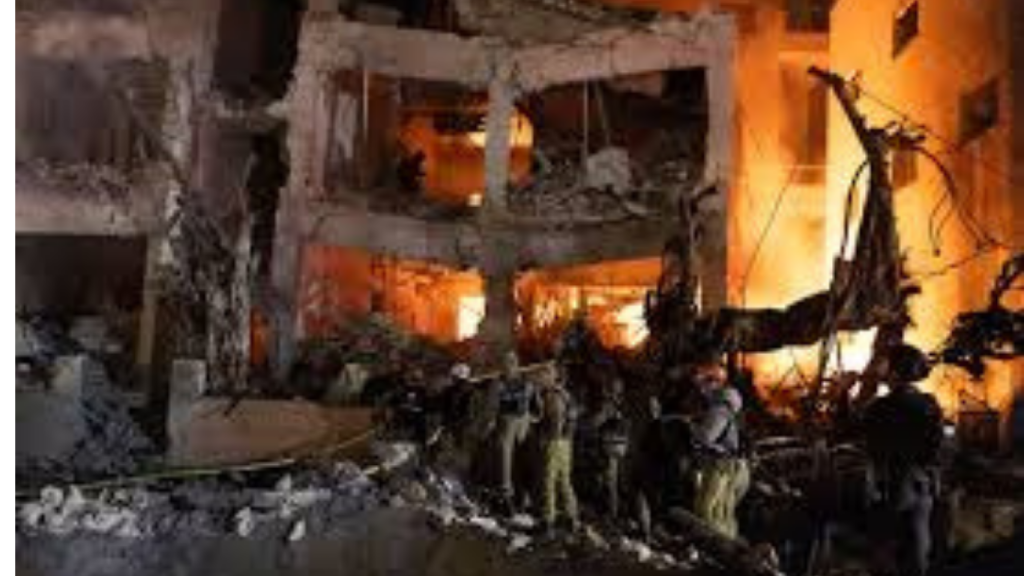
Air raid sirens sounded across Israel as defensive systems intercepted most incoming missiles. However, one strike in Tel Aviv resulted in the death of a woman and left approximately 120 people injured, according to emergency services cited by BBC.
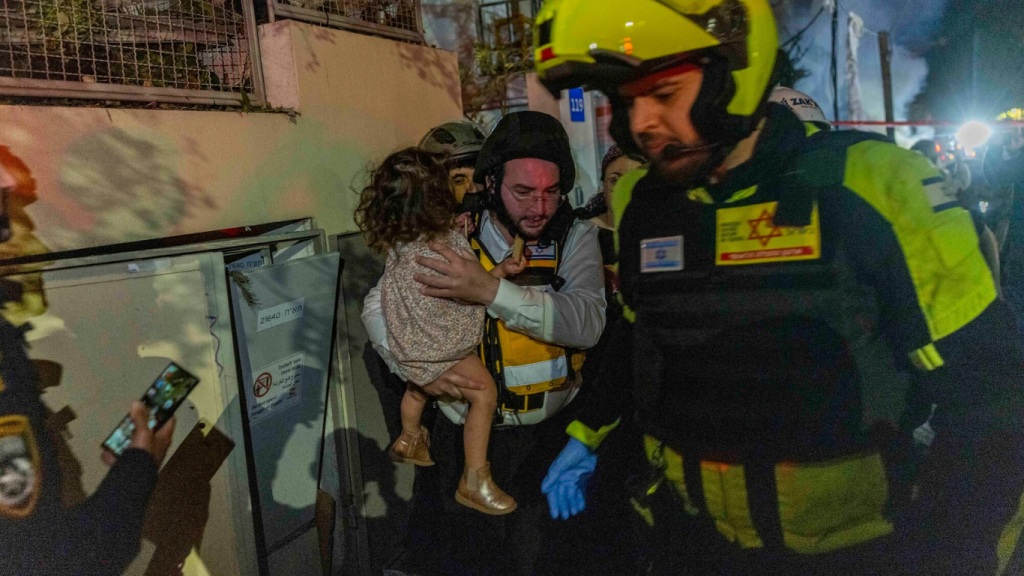
Iran’s Islamic Revolutionary Guard Corps stated that it would soon carry out what it described as the largest retaliatory operation in its history.
Rising Casualties and Regional Chaos
Humanitarian agencies inside Iran reported heavy casualties. The Iranian Red Crescent stated that more than 200 people were killed, with hundreds more wounded in the initial strikes.
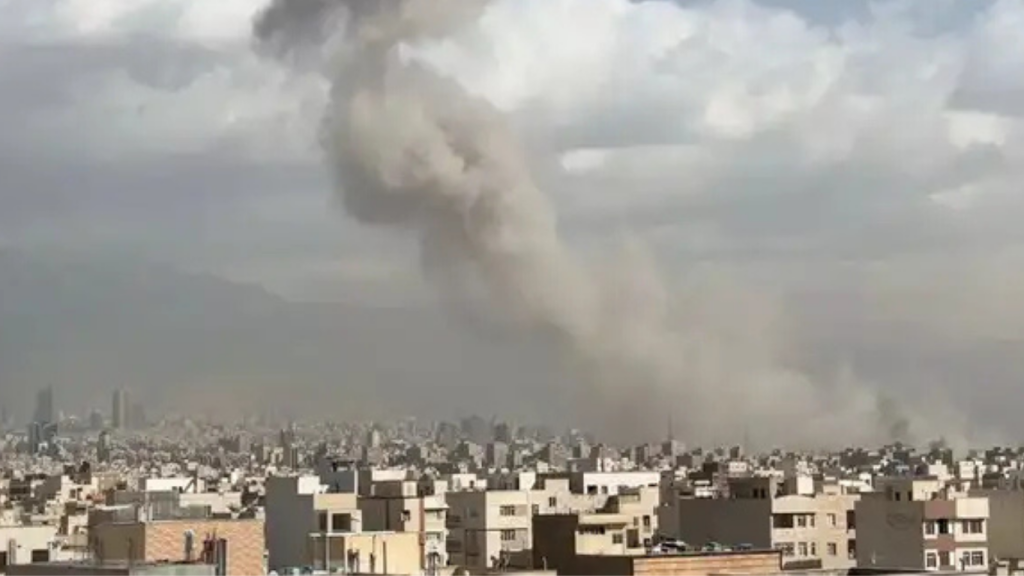
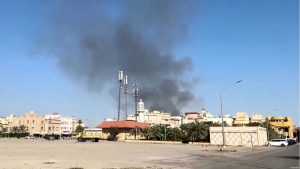
Beyond Iran and Israel, the crisis has begun affecting neighboring countries. Damage was reported to infrastructure in the United Arab Emirates, and major airports experienced disruption.
Tehran also warned that the Strait of Hormuz — a key global oil transit route — had been closed, raising concerns about potential spikes in international oil prices.
Worldwide Diplomatic Concern
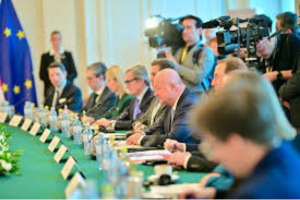
An emergency session of the UN Security Council was convened amid growing fears of a broader war.
UN Secretary-General Antonio Guterres urged all sides to immediately halt hostilities, expressing regret that diplomatic efforts had collapsed.
Representatives from Russia and China criticized Washington and Tel Aviv, arguing that the strikes came during a sensitive negotiation period. Meanwhile, Iran’s envoy to the United Nations described the retaliatory actions as legitimate self-defence.
USA Defends Its Position
US President Donald Trump defended the operation, stating that it was intended to eliminate what he called a long-standing nuclear threat.
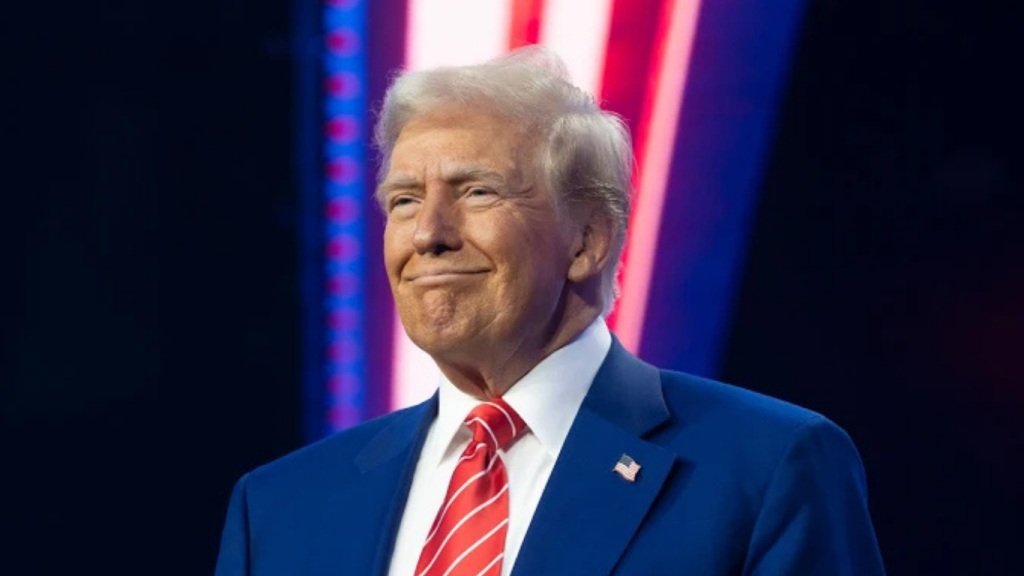
In a strongly worded message, he warned Iran against further escalation, saying the United States would respond with unprecedented force if attacked again.
A Defining Moment for Iran
Ayatollah Khamenei had led Iran for nearly four decades, shaping the country’s political and religious direction. His death marks a historic turning point for the Islamic Republic.
Reports from BBC indicate that while some opponents of his rule celebrated in parts of Iran, the country’s powerful clerical establishment and Revolutionary Guard structure remain intact.
Analysts suggest the coming days will determine whether the region moves toward:
- Wider military confrontation
- Internal political upheaval
- Or renewed international diplomacy
What Comes Next?
Missile exchanges continue, tensions remain high, and global leaders are urging restraint.
With oil markets on edge and military forces on alert, the Middle East stands at a crossroads — one that could reshape the region’s political and security landscape for years to come.
What did Khamenei said about America?
Khomeini is quoted as saying on 5 November 1979: “[America is] the great Satan, the wounded snake.” The term was used extensively during and after the Islamic Revolution, and it continues to be used in some Iranian political circles.
Is Ali Khamenei Ayatollah?
He was also known by the title Ayatollah and was considered one of the leading Shia Muslim marja’ in the world.
Who is more Powerful Israel or Iran?
Iran and Israel both have formidable military might. Iran has a general advantage in numbers, with some 600,000 active personnel (and 350,000 reservists) compared to Israel’s 170,000 (and 450,000 reservists).
Are Jewish have rights in Iran?
Jews in the Islamic Republic of Iran are formally to be treated equally and free to practice their religion. There is even a seat in the Iranian parliament reserved for the representative of the Iranian Jews. However, de facto discrimination is common.
6 Comments
Comments are closed.