
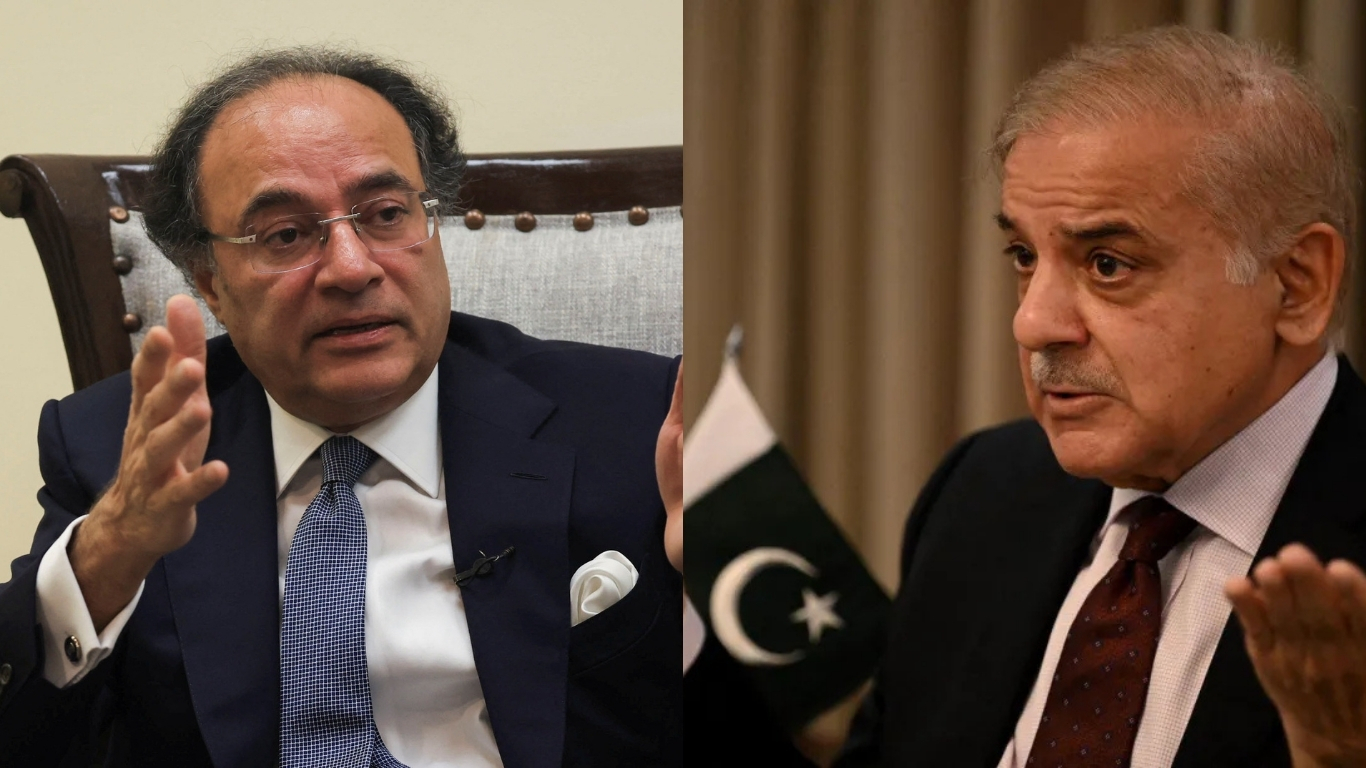
Islamabad: Prime Minister Shehbaz Sharif has approved a new system for weekly determination of petroleum prices in Pakistan accordance to the changing regional situation.
The decision was taken during a meeting chaired by the Prime Minister to review the stock and consumption of petroleum products in the country. During the meeting, the Finance Minister (Muhammad Aurangzeb) briefed the PM Shehbaz Sharif about the current situation.
According to sources, the committee presented recommendations regarding the weekly pricing mechanism for petroleum products, which were approved by the Prime Minister.
Increased Amount of Petrol Per liter by 55 Rupees from the 7 march 20226 due to the regional tension.
Work From Home and Online Education Plan
Sources said that the Economic Coordination Committee (ECC) will provide recommendations on weekly petroleum prices. After approval from the ECC, the final summary will be sent to the federal cabinet for final approval.
Officials have also been instructed to prepare a plan for virtual education in educational institutions and a work-from-home system for offices. The proposal is expected to be presented on Monday after consultation with provincial governments.

The government believes these measures could help reduce fuel demand and ensure better management of fuel reserves.
Global War and Rising Petroleum Prices
The government’s decision comes at a time when global energy markets are under pressure due to the escalating conflict involving the United States, Israel, and Iran in the Middle East.
Energy analysts say the war has increased fears of disruptions to oil supply routes, especially through the Strait of Hormuz, one of the world’s most important oil shipping lanes.
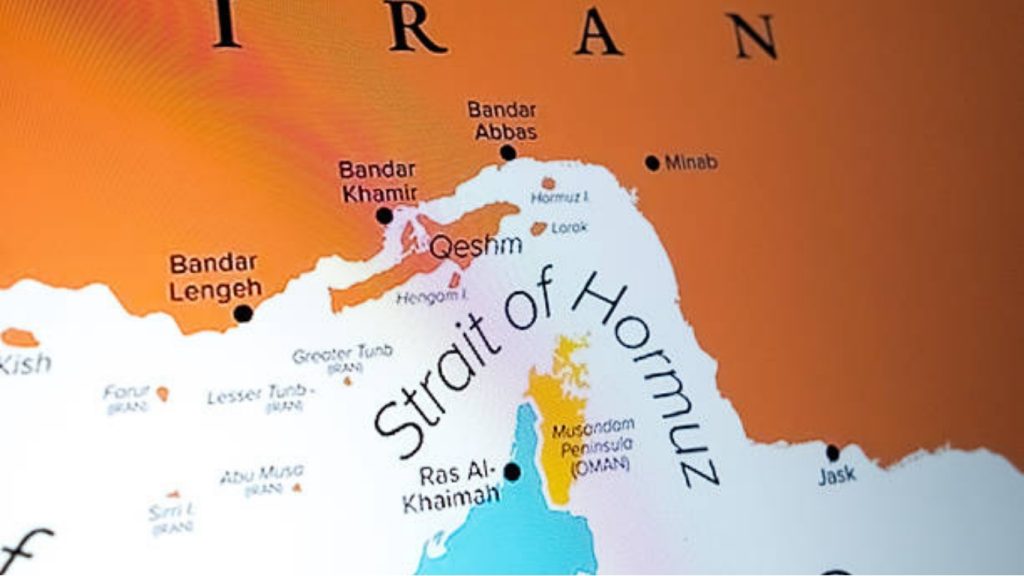
Because a large portion of the world’s oil passes through this route, any disruption can quickly push global crude prices higher. In recent days, Brent crude oil prices have surged sharply as the conflict intensified, reflecting market fears about supply shortages.
For countries like Pakistan that rely heavily on imported fuel, rising global oil prices can increase inflation, raise transport costs, and put pressure on the national economy. Analysts warn that if the conflict continues, international oil prices could rise further in the coming weeks.
Adequate Petroleum Stocks in the Country
During the meeting, the Ministry of Petroleum informed the Prime Minister that the country currently has sufficient petroleum reserves to meet national requirements.
The Prime Minister also directed authorities to take strict legal action against hoarders of petroleum products. Petrol pumps involved in creating artificial shortages should be shut down immediately.
He instructed the Oil and Gas Regulatory Authority (OGRA) to cancel licenses of petrol pumps found guilty of creating artificial shortages and take legal action against them.
Monitoring System for Fuel Movement
To improve oversight, the prime minister also ordered the creation of a digital dashboard to track the movement of petroleum products across the country.
Through this system, authorities will be able to share real-time fuel supply data with provincial governments, helping them monitor distribution and prevent shortages.
As tensions in the Middle East continue to influence global oil markets, Pakistan’s new weekly pricing system is expected to help the government respond more quickly to changes in international petroleum prices.
1 thought on ““Petroleum Prices” in Pakistan: PM Shehbaz Approves Weekly Review Amid “US-Israel War on Iran” Fears”
Comments are closed.