
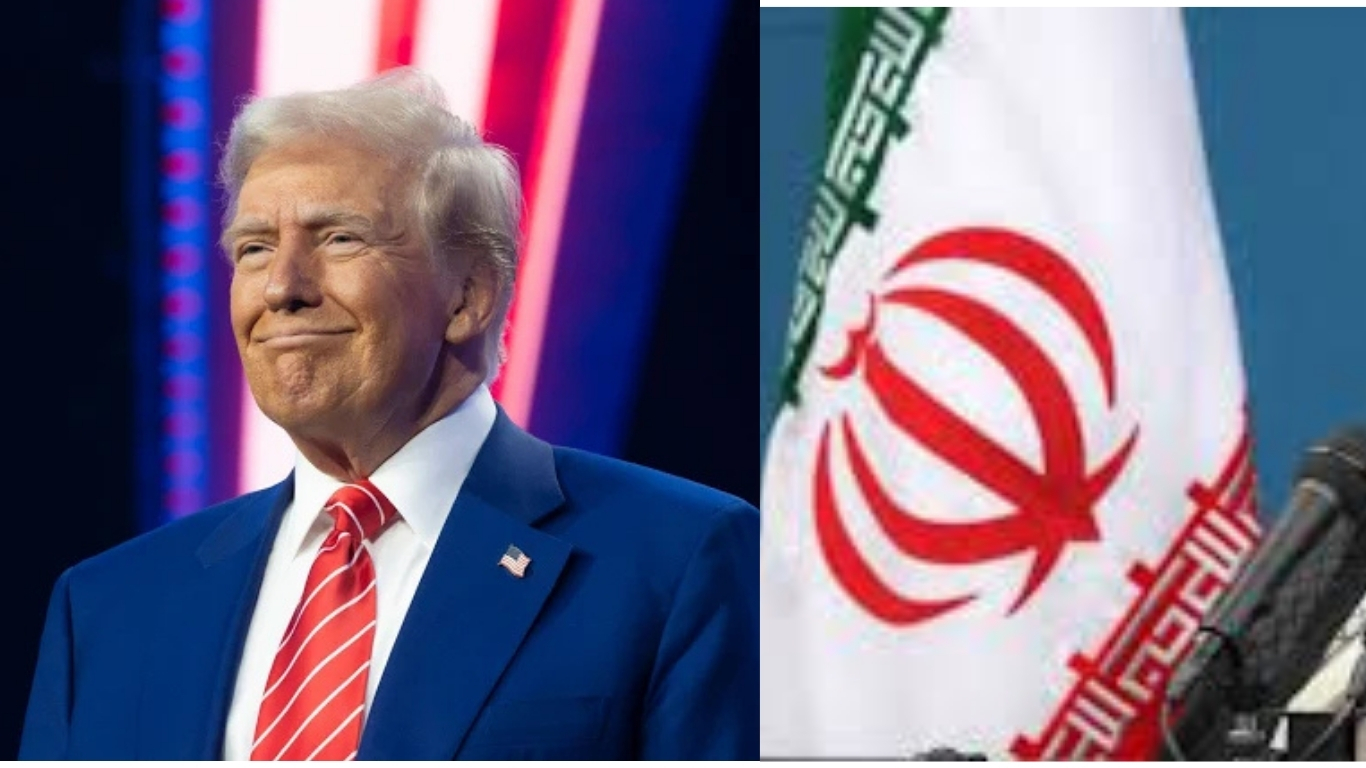
The US-Israel and Iran war, has quickly turned into one of the most dangerous crises in recent history. What began as joint US-Israeli strikes on Iranian targets has now spread across multiple regions — from Tehran’s skies to Lebanon’s streets and the strategic waters of the Persian Gulf.
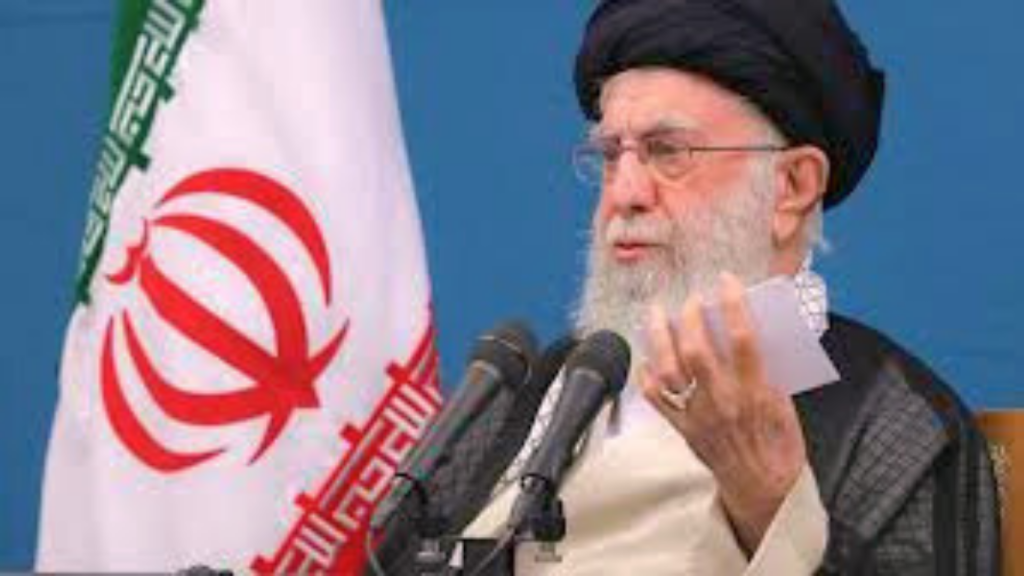
This is no longer just a military confrontation. It is a crisis affecting global oil supplies, financial markets, and the wider Middle East.
Below is a clear and easy-to-understand breakdown of what is happening and why it matters.
Understanding the US-Israel and Iran War
Israeli Air Force Shoots Down Iranian Jet Over Tehran
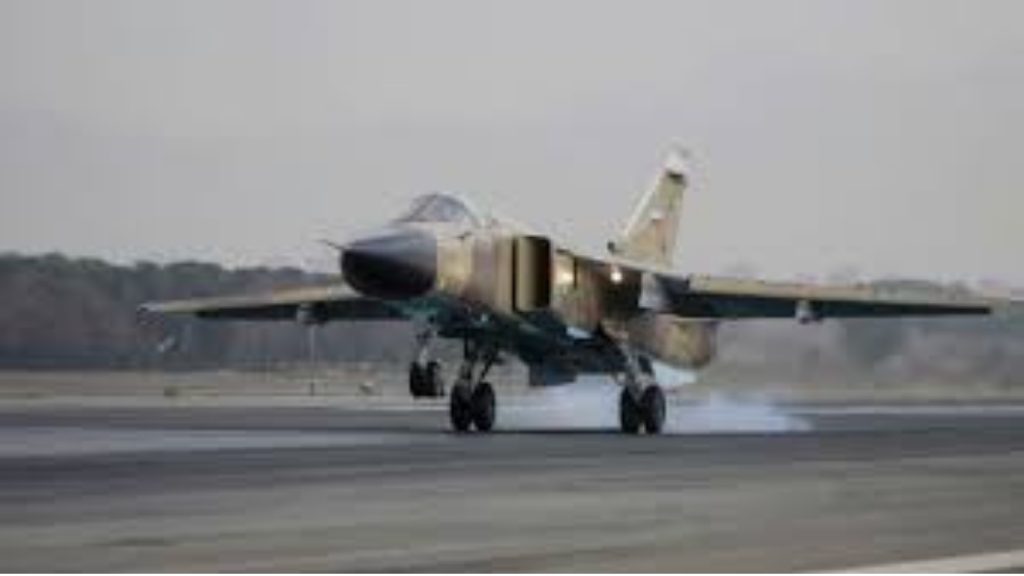
In a major escalation, Israel reportedly shot down an Iranian fighter jet over Tehran. Aerial combat above a country’s capital is rare and highly symbolic.
This incident shows that Israel is willing to carry out deep operations inside Iranian airspace — not just near borders or proxy fronts.
For Iran, such an event represents a serious breach of security. For Israel, it sends a strong message about its military reach and confidence.
F-35I ‘Adir’ Downs Iranian YAK-130
Reports say the Israeli aircraft involved was an advanced F-35I “Adir” stealth fighter. It allegedly shot down an Iranian YAK-130 aircraft near Tehran.
The YAK-130 is mainly used as a training and light attack jet. Losing it so close to the capital is symbolically damaging for Iran. It suggests that Israel’s air power can operate far from its own territory.
The use of a stealth jet also highlights how technologically advanced this conflict has become.
New Israeli Strikes Target Tehran Command Centres
After the air battle, Israel reportedly launched more strikes targeting military command centres in and around Tehran.
These facilities are believed to coordinate Iran’s defense strategy and military operations. Hitting such locations is meant to weaken Iran’s ability to manage the war effectively.
This shows the conflict is not random — it is focused on strategic targets that could shift the balance of power.
War Expands to Lebanon and Qom
The esclation has not remained limited to Tehran.
Strikes were reported near Beirut in Lebanon, a country where Iran-backed groups such as Hezbollah operate. Meanwhile, in Iran’s holy city of Qom, reports suggest that an important religious-political building linked to national leadership was hit.
This expansion signals that the war is spreading across the region — increasing the risk of a broader Middle East conflict.
Underground Facility on Tehran’s Outskirts Hit
Israeli forces also claimed to have struck an underground site east of Tehran.
Underground facilities are often used to store weapons, missiles, or serve as command centres. Targeting such locations suggests that long-term military infrastructure — not just surface buildings — is being attacked. This marks a deeper level of confrontation.
Damage Reported at Mehrabad Airport
Images circulating online show visible damage at Tehran’s Mehrabad Airport, which handles mainly domestic flights.
Damage to civilian infrastructure increases public fear and Throws life into chaos Even if the airport was not the main military target, such strikes affect transportation and daily routines for thousands of civilians.
Iran Claims Control of the Strait of Hormuz
Iran’s Revolutionary Guard announced it has “complete control” of the Strait of Hormuz — one of the world’s most important oil shipping routes.
This narrow waterway connects the Persian Gulf to global markets. Around 20% of the world’s oil passes through it.Control over this strait gives Iran enormous leverage during wartime.
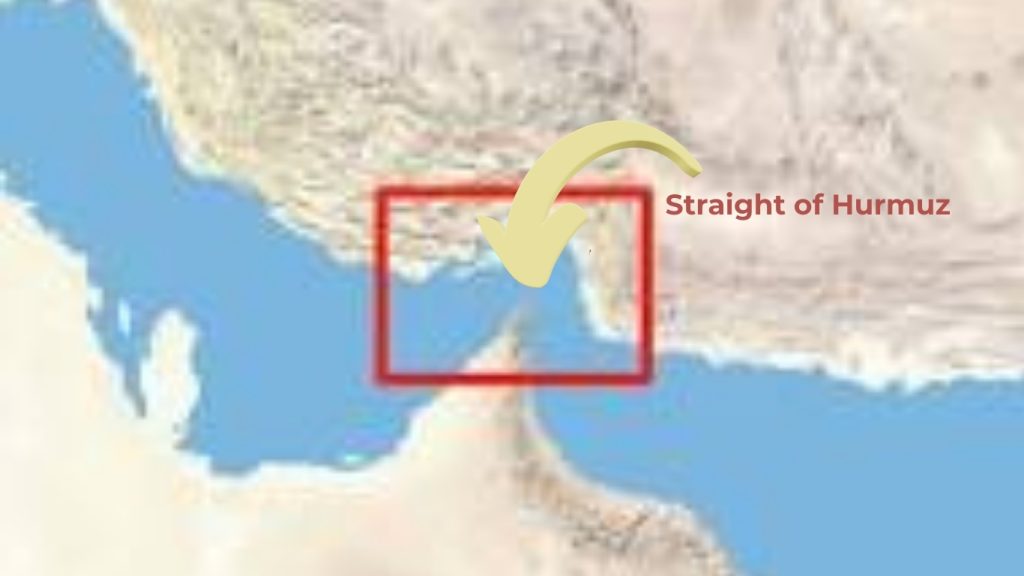
Iran Declares the Strait Closed. Tehran has reportedly declared the Strait of Hormuz closed to commercial shipping. If fully enforced, this would severely disrupt global oil and gas supplies. Many countries in Asia and Europe depend heavily on energy shipments through this route.
Closing it is one of the strongest economic pressure tools Iran can use.
Around 200 Oil Tankers Stranded
Estimates suggest nearly 200 oil tankers are currently stuck in the Gulf region, unable to move through the strait.
This creates a bottleneck in global oil supply. The longer ships remain stranded, the greater the pressure on international energy markets.
One-Fifth of Global Oil at Risk
About 20% of the world’s oil and gas flows through the Strait of Hormuz.
Even small disruptions can cause sharp price increases. A prolonged shutdown could reshape global energy markets and fuel inflation worldwide.
US Navy Ready to Escort Tankers
In response, US President Donald Trump announced the US Navy is prepared to escort oil tankers if needed.This move aims to protect commercial shipping and ensure continued energy flow. However, naval escorts also raise the risk of direct military confrontation at sea.
US offered Risk Insurance
The US administration has also promised risk insurance for shipping companies operating in the region.This step is designed to reduce commercial fears and encourage ships to continue operations despite security threats.
Global Oil and Gas Prices Surge
Energy markets reacted immediately. Oil and natural gas prices jumped sharply as traders feared long-term supply disruption. Even rumours of extended closure were enough to push prices higher.
Could Oil Cross $100 Per Barrel?
Market analysts warn that if the Strait of Hormuz remains blocked, crude oil prices could rise above $100 per barrel. Such a price increase would impact fuel costs, transportation, food prices, and inflation globally. Countries heavily dependent on oil imports would feel the pressure first.
After the US announced naval escorts and insurance support, oil prices temporarily eased.However, volatility remains high. Markets are closely watching every development in the Gulf.
Iraq Slows Production at Key Oil Fields
The crisis has begun affecting neighbouring countries. Iraq reportedly slowed or paused production at major oil fields such as Rumaila and West Qurna due to regional instability.
Any reduction in Iraqi supply adds further pressure to global energy markets.
Energy Prices Rise Worldwide
Beyond crude oil, natural gas and other energy prices are also climbing. Major importers like India and European nations are already feeling the strain. Rising energy costs often translate into higher electricity bills and increased manufacturing costs.

Iran Refuses Talks With the US
Iranian leaders have publicly stated they do not intend to negotiate with the United States at this stage.
They describe the conflict as a response to foreign aggression and say they are prepared for a prolonged confrontation. This stance reduces hopes for a quick diplomatic solution.
Heavy Casualties as War Intensifies
Reports indicate hundreds of people have been killed in Iran since the strikes began.US and Israeli forces have reportedly targeted nearly 2,000 sites, including military bases and air defense systems.
Meanwhile, Iran continues retaliatory strikes against US and Israeli interests.The humanitarian cost is rising as the conflict deepens.
Conclusion: A Regional War With Global Consequences
What started as targeted military strikes has transformed into a multi-front crisis affecting airspace, land borders, and vital maritime trade routes.
The closure of the Strait of Hormuz alone has the power to disrupt the global economy. Combined with rising casualties and expanding regional involvement, the conflict now carries worldwide implications.
If tensions continue and diplomacy fails, the world could face prolonged instability in energy markets, rising inflation, and greater geopolitical uncertainty.
For now, global leaders, investors, and ordinary citizens alike are watching closely — aware that decisions made in this conflict zone could shape the international landscape for years to come.
Sources: International media reports including Reuters, Al Jazeera and regional news agencies.
5 thoughts on “US-Israel and Iran War 2026: Israel Strikes Tehran as Strait of Hormuz Crisis Disrupts Global Oil Markets”
Comments are closed.