
The Iran-US Conflict 2026 has become one of the most dangerous geopolitical flash points of the decade. What began as targeted military strikes has now evolved into a broader regional crisis, shaking global markets and raising fears of a prolonged war in the Middle East.
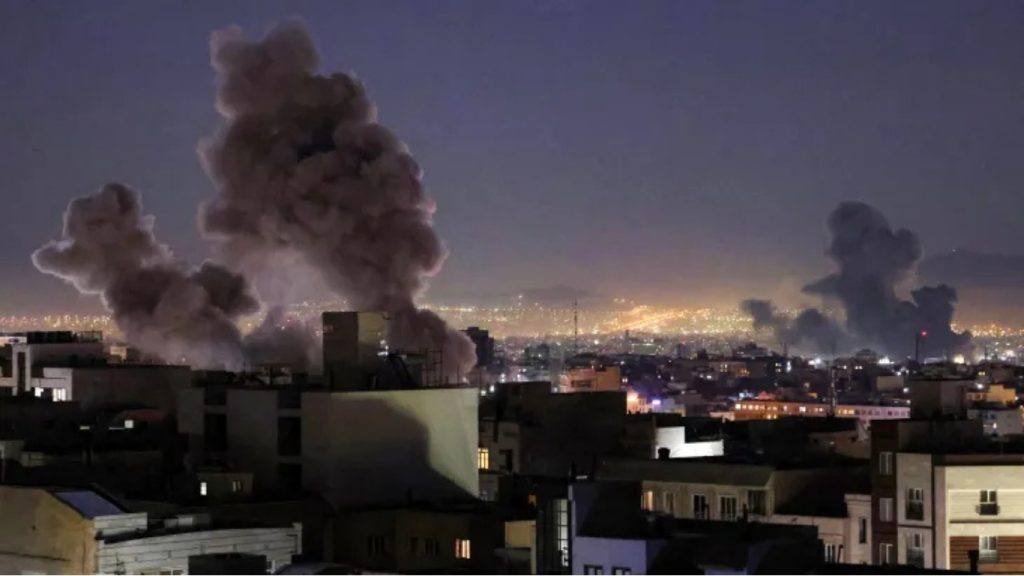
At the heart of the crisis lies a critical question: Is Iran a nuclear power already?
As the Iran-US war 2026 intensifies, governments, intelligence agencies, and international watchdogs are presenting sharply different versions of reality. Washington insists that previous strikes crippled Iran’s nuclear capabilities. Meanwhile, nuclear inspectors suggest that the situation is far more complex.
To understand what is truly happening, we must look closely at the current Iran nuclear program status, the impact of military strikes, and the political calculations behind them.
The 2026 Iran-US Conflict: What Triggered the Latest War?
The latest escalation did not appear overnight. It followed years of rising tensions, sanctions, broken agreements, and increasing uranium enrichment inside Iran.
In early 2026, renewed US and Israeli airstrikes targeted Iranian military and nuclear-linked sites. American officials described the strikes as necessary to prevent Iran from moving closer to nuclear weapons capability.
Tehran responded swiftly. Missile and drone attacks were launched across the Gulf region, targeting strategic locations and increasing regional instability. Within days, the situation expanded beyond a bilateral dispute and began threatening international oil routes and neighboring countries.
The Iran-US Conflict 2026 is therefore not an isolated event. It is the result of a long chain of diplomatic breakdowns and strategic mistrust.
Did US and Israeli Strikes Destroy Iran’s Nuclear Program in 2025?
In mid-2025, the United States carried out significant airstrikes against Iran’s key nuclear facilities, including Natanz and Fordo.
The White House later described the operation as a decisive success, claiming that Iran’s nuclear infrastructure had been “obliterated.” However, intelligence assessments and independent evaluations painted a more measured picture.
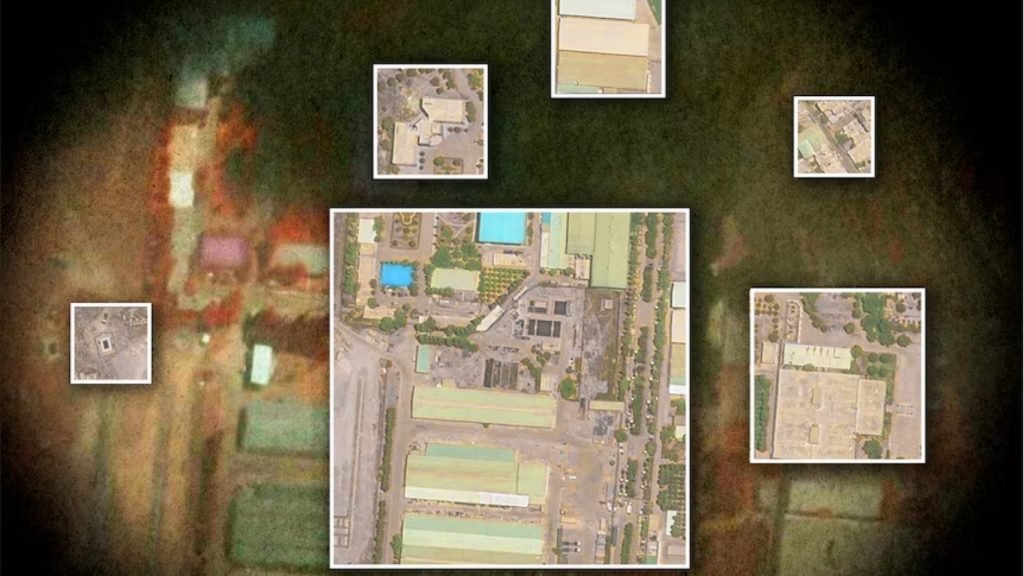
Reports indicated:
- Several facilities suffered heavy structural damage.
- Some centrifuges were destroyed.
- But enriched uranium stockpiles were not fully eliminated.
- Technical expertise remained intact.
In simple terms, the strikes may have slowed Iran’s nuclear activities — but they did not erase the country’s scientific knowledge or long-term capability.
This distinction is crucial when evaluating the current Iran nuclear program status.
What Did the IAEA Really Confirm About Iran’s Nuclear Sites?
The International Atomic Energy Agency (IAEA), the UN’s nuclear watchdog, confirmed that certain facilities were damaged during the strikes.
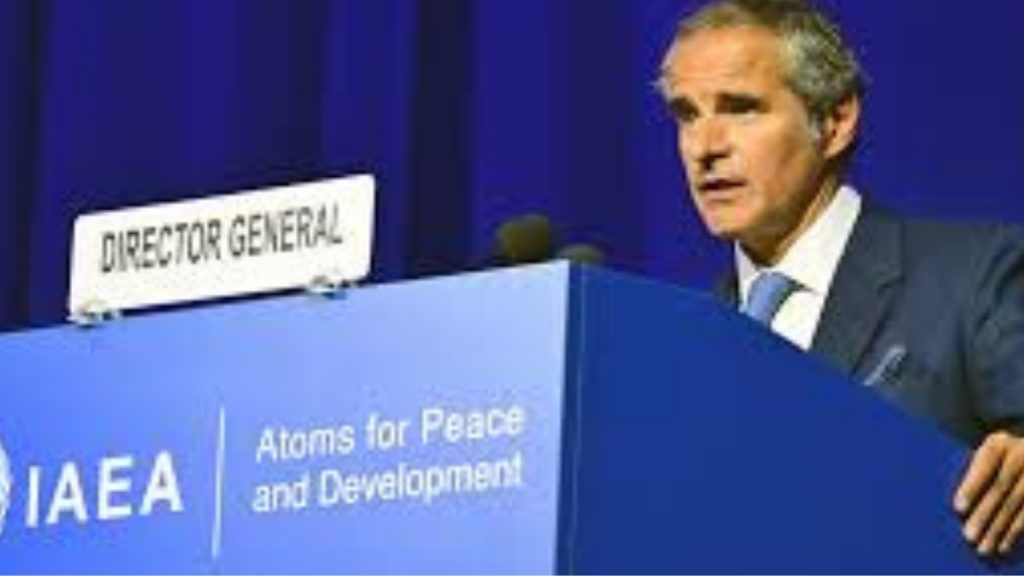
However, the agency also reported serious limitations:
- Inspectors were unable to conduct continuous monitoring at some locations.
- Parts of the enriched uranium inventory could not be fully verified.
- Iran reduced cooperation in certain inspection areas.
Importantly, the IAEA did not confirm that Iran was actively constructing a nuclear weapon. At the same time, it could not fully certify the complete status of Iran’s nuclear material after the attacks.
This lack of transparency has fueled global uncertainty.
How Much Uranium Has Iran Enriched So Far?
Before the 2025 strikes, Iran had enriched uranium up to 60 percent purity — its highest level to date.
To understand what that means:
- Civilian nuclear energy typically requires enrichment between 3% and 5%.
- 20% enrichment is considered highly enriched uranium.
- 90% enrichment is generally regarded as weapons-grade.
Reaching 60% is technically significant. It represents the most complex part of the enrichment process. Once a country reaches that level, moving to weapons-grade material requires far less additional effort.
This is why analysts closely watch Iran’s enrichment levels when asking: Is Iran a nuclear power?
Is 60% Enrichment Close to a Nuclear Weapon?
Technically speaking, yes — it is close.
The most difficult stage in uranium enrichment is climbing from natural uranium levels (about 0.7%) to high enrichment. Once that threshold is crossed, the final step toward weapons-grade is comparatively quicker.
However, enriched uranium alone does not automatically equal a nuclear bomb.
Weaponization involves:
- Designing a functional warhead.
- Integrating it with delivery systems such as missiles.
- Ensuring reliability and miniaturization.
So while 60% enrichment significantly reduces “breakout time,” it does not confirm the existence of an operational weapon.
Russia’s Position: No Evidence of Nuclear Weapons Development?
Russia has maintained that it sees no proof that Iran is actively developing nuclear weapons.
Russian officials argue that military escalation only worsens instability and that there is no confirmed evidence of weaponization.
This position complicates international diplomacy, as major global powers are not aligned in their assessment of Iran’s intentions.
The Natanz and Fordo Facilities: Why Are They So Important?
Natanz serves as Iran’s primary uranium enrichment hub, housing advanced centrifuges used to increase uranium purity.
Fordo, on the other hand, is constructed deep underground, making it more resistant to airstrikes.
These sites are strategically significant because they represent the backbone of Iran’s enrichment capability. Damaging them slows production, but it does not eliminate the country’s scientific expertise or infrastructure entirely.
Is Iran Already a De Facto Nuclear Power?
Some analysts describe Iran as a “threshold” or “de facto” nuclear state.
This term refers to a country that:
- Possesses enough enriched material for a weapon.
- Has the technical ability to assemble one relatively quickly.
- Has not officially tested or declared a nuclear device.
Under international law, Iran is not recognized as a nuclear weapons state. However, based on its enrichment level and breakout potential, it stands closer to that threshold than ever before.
So, is Iran a nuclear power?
Not officially — but strategically, it is closer than at any point in its history.
The Strait of Hormuz Crisis: Global Oil at Risk
The conflict has also placed the Strait of Hormuz under threat — a vital maritime route through which roughly one-fifth of global oil trade passes.
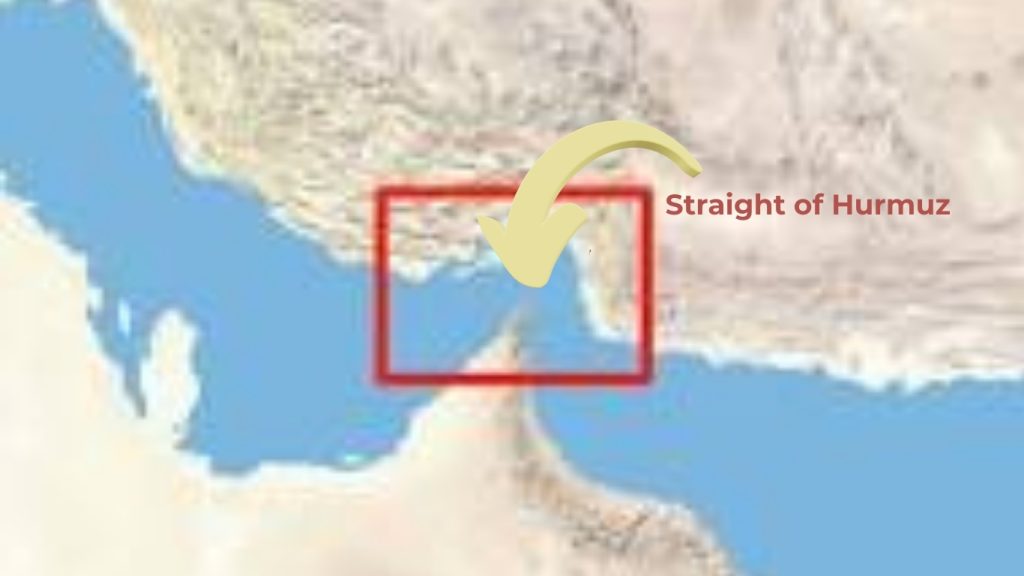
Any disruption in this narrow waterway sends shockwaves through energy markets. Oil prices surge, shipping costs rise, and global economic stability becomes vulnerable.
This transforms the Iran-US Conflict 2026 from a regional security issue into a worldwide economic concern.
Could This Conflict Trigger a Wider Middle East War?
The fighting has already extended beyond Iran’s borders.
Missile exchanges have affected Gulf states. Tensions have risen toward Lebanon. Regional alliances are being tested.
When multiple actors are involved and military operations expand geographically, the risk of miscalculation grows significantly.
A broader Middle East war remains a possibility if diplomatic channels collapse completely.
Diplomacy or Military Escalation: What Happens Next?
Despite ongoing hostilities, diplomatic talks have not fully ended.
The main sticking points include:
- The US demand for zero enrichment.
- Iran’s insistence on maintaining limited enrichment rights.
- Sanctions relief mechanisms.
Whether the crisis de-escalates or intensifies will depend on whether political leaders prioritize negotiation over military advantage.
Final Analysis: The Truth Behind Iran’s Nuclear Power Question
As of the Iran-US Conflict 2026, the facts suggest:
- Iran has enriched uranium to 60%.
- It could potentially reach weapons-grade levels quickly.
- No confirmed evidence shows an assembled nuclear weapon.
- Military strikes delayed but did not eliminate nuclear capability.
- International monitoring remains incomplete.
Iran appears to be a threshold nuclear state — capable of rapid advancement, yet not officially declared as a nuclear weapons power.
The truth lies in a gray zone between technical capability and political intention.
And in geopolitics, that gray zone is often the most dangerous place of all.
How Fast Could Iran Build a Nuclear Bomb If It Decided To?
US intelligence assessments have estimated that Iran could produce weapons-grade uranium in less than a week if it made that decision.
Constructing an actual nuclear device could take several additional months — possibly three to eight — depending on technical and logistical factors.
But there is a critical factor here: no verified evidence shows that Iran has taken the political decision to build a bomb.
This means the debate surrounding the Iran-US war 2026 is not only about capability — it is about intent.
Why Did Trump Withdraw From the Nuclear Agreement?
In 2018, then-US President Donald Trump withdrew from the JCPOA.
He argued that the agreement was flawed because it did not permanently block enrichment, address ballistic missile development, or limit regional activities.
After withdrawal: Sanctions returned. Iran gradually expanded enrichment. Diplomatic trust deteriorated. These developments created the strategic environment that eventually contributed to the Iran-US war 2026.
Has Iran Officially Decided to Build Nuclear Weapons?
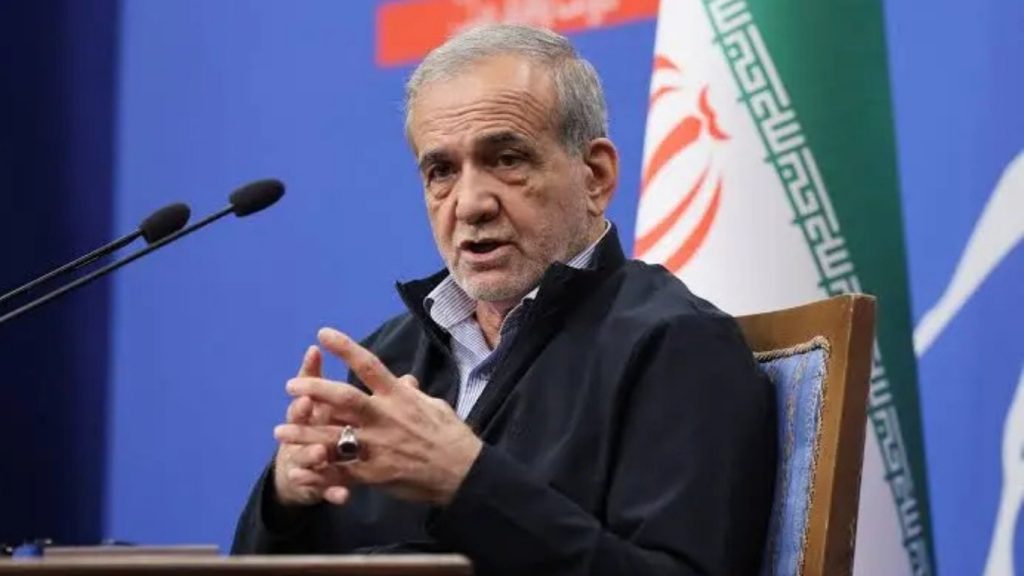
Iran continues to publicly deny seeking nuclear weapons. Officials argue that the country’s nuclear activities are aimed at energy production, medical research, and scientific advancement. No international authority has confirmed that Tehran has restarted a structured nuclear weapons program. Yet skepticism persists. The advanced level of enrichment, combined with limited inspections, leaves room for doubt — especially during heightened tensions in the Iran-US Conflict 2026.
What Role Did the 2015 JCPOA Nuclear Deal Play?
In 2015, Iran signed the Joint Comprehensive Plan of Action (JCPOA) with world powers.
The agreement: Limited uranium enrichment to 3.67%.
Reduced stockpiles. Allowed extensive IAEA monitoring. Provided sanctions relief in return.
For several years, the deal significantly slowed Iran’s nuclear progress and increased transparency.
4 thoughts on “Iran-US Conflict 2026: Is Iran Already a Nuclear Power? The Real Truth Behind the Middle East Crisis”
Comments are closed.